
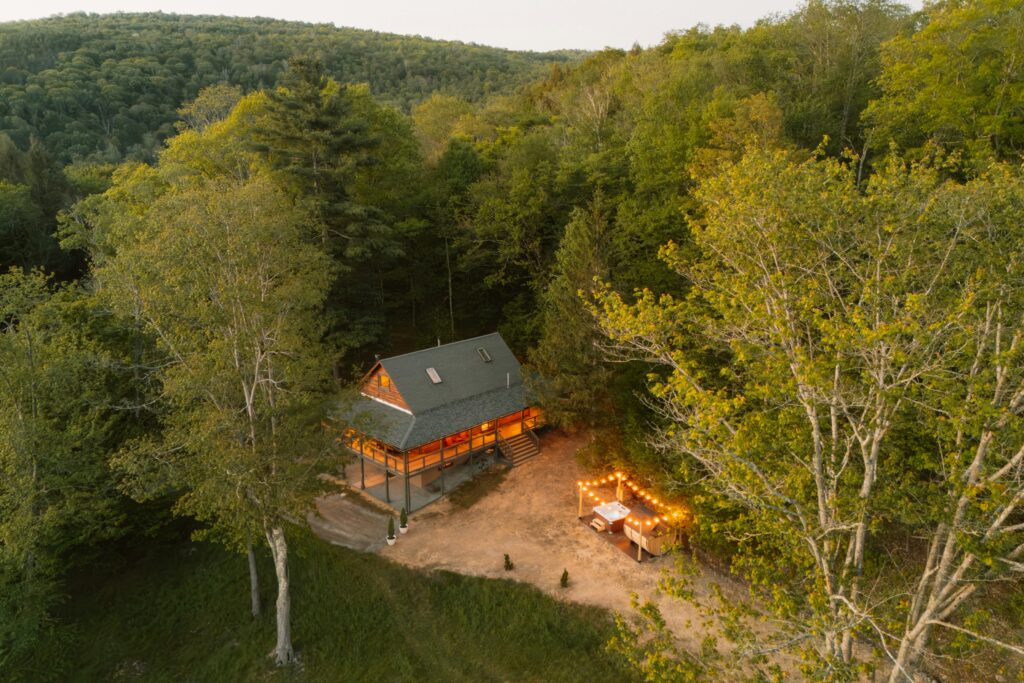
Cabin rentals & vacation homes give travelers a private, fully equipped space to stay instead of a hotel, typically offering more room, kitchen access, and a home-like atmosphere. Whether you are heading to the Smoky Mountains, a lakeside retreat in Minnesota, or the Colorado Rockies, understanding how these rentals work helps you book smarter and avoid costly surprises.
Key Takeaways
- Cabin rentals and vacation homes offer more space, privacy, and amenities than most hotels at comparable price points.
- Total costs often exceed the listed nightly rate once cleaning fees, service fees, and local taxes are added.
- Location type (mountain, lake, desert, beach) significantly affects pricing, availability, and what amenities to expect.
- Reading recent reviews and verifying cancellation policies before booking protects you from the most common rental pitfalls.
- Booking directly through a property manager or regional platform can sometimes save you money compared to large third-party marketplaces.
- Seasonal demand windows vary widely, so early booking (3 to 6 months ahead for peak periods) is usually necessary for the best properties.
Why More Travelers Are Choosing Private Rentals Over Hotels
The shift away from traditional hotels has been one of the most significant changes in American travel over the past decade. Private vacation properties give families, couples, and groups something hotels rarely can: actual living space. A three-bedroom cabin in Gatlinburg, Tennessee, for example, can sleep six adults comfortably, include a full kitchen, a hot tub, and a wraparound porch, and still cost less per person per night than booking three separate hotel rooms.
Several practical reasons drive this choice:
- Space and privacy: No shared hallways, lobbies, or walls with strangers.
- Cost efficiency for groups: Splitting a rental among four to eight people often cuts individual costs significantly.
- Kitchen access: Cooking your own meals reduces food expenses on longer trips.
- Pet-friendly options: Many vacation homes accept pets, whereas most hotels charge steep fees or refuse entirely.
- Unique experiences: Treehouses, A-frame cabins, and lakefront cottages offer stays that no hotel chain can replicate.
The trade-off is that you take on more responsibility. You are expected to follow house rules, check in without a front desk, and sometimes handle minor issues yourself. Understanding those expectations ahead of time makes the stay far smoother.
How Pricing Actually Works (And Why the Total Is Always Higher)
One of the most common frustrations with cabin rentals & vacation homes is the gap between the advertised nightly rate and the final checkout total. A cabin listed at $180 per night for five nights sounds like $900 total. In practice, you might pay significantly more once all fees are applied.
On that same $900 hypothetical stay, a $200 cleaning fee, a $160 service fee, and $90 in local taxes bring your real total to roughly $1,350. That is a 50% increase over the base price. Always expand the pricing breakdown before confirming any booking, and compare the total cost rather than the nightly rate when evaluating multiple listings.
Some travelers reduce these fees by booking directly with property managers through platforms like Cabinns, which specialize in regional cabin inventory and sometimes offer lower all-in pricing than large national marketplaces because they operate with fewer intermediary layers.
Choosing the Right Location: Mountains, Lakes, Beaches, and Beyond
Location is the single biggest factor in shaping your experience. Each setting comes with its own seasonal rhythms, activity options, and pricing patterns.
Mountain Cabins
Mountain destinations like the Smoky Mountains in Tennessee, the Blue Ridge in Virginia, and the Rockies in Colorado consistently rank among the most booked cabin regions in the United States. Peak season runs from late September through early November for fall foliage, and again from late December through February for winter holidays. Booking 3 to 6 months ahead is often necessary to secure top properties during these windows.
Expect amenities like hot tubs, fire pits, game rooms, and mountain views. Cell service can be limited, which is either a feature or a drawback depending on your goals for the trip.
Lake and Waterfront Homes
Lake houses offer a different rhythm. Properties on lakes in Michigan, Wisconsin, Minnesota, and the Ozarks typically peak in June, July, and August. Water access is the primary draw, and listings will specify whether the property includes a dock, kayaks, paddleboards, or a boat slip. Waterfront properties often command a 30% to 50% price premium over comparable non-waterfront homes in the same area.
Urban and Coastal Vacation Homes
Not every vacation rental sits in the wilderness. Urban vacation homes and beachfront properties in areas like the Florida Panhandle, the Outer Banks in North Carolina, or Southern California are also a massive segment of the market. If you are exploring urban stays in Latin American destinations, Casai offers a curated selection of design-forward homes and apartments in major cities throughout Mexico that blend comfort with local character.
What to Look for in a Listing Before You Book
Reading a listing carefully takes about 15 to 20 minutes, but it can save you from a miserable stay. Most booking errors come from skimming rather than actually reading the full details.
Photographs
Photos are staged to show the property at its best. Pay attention to what is NOT shown. If there are ten photos of the living room and none of the bathrooms or bedrooms, that is worth noting. Look for natural light and multiple angles that confirm the actual size of rooms.
Reviews
Filter reviews by date. A cabin that had glowing reviews two years ago but mixed reviews in the last three months may have changed ownership or declined in maintenance. Look specifically for comments about cleanliness, accuracy of the listing description, and host responsiveness.
House Rules and Check-In Process
Some properties have strict rules around noise, outdoor fires, parking, and occupancy limits. Others are entirely self-serve with a lockbox code. Read these sections carefully, especially if you are traveling with children, pets, or a large group.
Cancellation Policy
Policies range from fully flexible (full refund up to 24 hours before check-in) to strict non-refundable. Given how often travel plans change, a moderate or flexible policy is worth paying a slight premium for, particularly during hurricane season, winter weather periods, or any time more than three months out.
If you are looking for a more cottage-style experience in New England or the Northeast, Vacation Cottage is a resource worth exploring for regional properties with a quieter, more rustic feel.
Things to Know
- Occupancy limits are enforced. Many cabins in tourist-heavy areas like Gatlinburg or Lake Tahoe have real occupancy limits tied to local ordinances, not just house preference. Exceeding them can result in eviction without a refund.
- “Sleeps 10” doesn’t mean “comfortably sleeps 10.” That number often includes pull-out sofas and air mattresses. Check the actual bedroom and bed count separately.
- Hot tubs require maintenance windows. Many properties close their hot tubs for cleaning 1 to 2 times per week. If you are booking specifically for the hot tub, confirm when the maintenance window falls.
- Wi-Fi speed varies wildly in rural areas. Listings that advertise Wi-Fi in mountain or rural cabins may be working with satellite or DSL connections, which are frustrating for remote work or streaming.
- Check the driveway. Mountain and rural properties sometimes require high-clearance or 4WD vehicles. This detail is easy to miss and can become a real problem in winter conditions.
- Early check-in and late check-out are rarely guaranteed. Unlike hotels, turnaround time between guests is tight. Do not plan arrival around an early check-in unless it is confirmed in writing.
???? Image Suggestion: A family unpacking bags at the front door of a mountain cabin rental, representing the arrival experience and the practical side of vacation home stays.
Image Prompt: Photorealistic photograph of a family with luggage arriving at the entrance of a wooden mountain cabin, midday natural light, shot from slightly behind the family looking toward the open front door.
Frequently Asked Questions
Q: What is the difference between a cabin rental and a vacation home?
The terms are often used interchangeably, but “cabin rental” typically implies a rustic, wooded, or mountain setting, while “vacation home” is a broader term for any privately rented residential property.
A cabin usually emphasizes natural surroundings and features like fireplaces, log construction, or outdoor decks with views. A vacation home can be a beachfront house, a suburban property, or an urban apartment. The booking process and expectations are largely the same for both.
Q: How far in advance should I book a cabin rental for peak season?
For popular destinations during peak periods (summer holidays, fall foliage, major holidays), booking 3 to 6 months ahead is strongly recommended.
Top properties in high-demand areas like the Smoky Mountains or Lake Tahoe can sell out within days of becoming available for peak dates. For off-season travel, 4 to 6 weeks of lead time is typically sufficient.
Q: Are cabin rentals & vacation homes cheaper than hotels?
For solo travelers or couples on short trips, hotels are often comparable or cheaper once rental fees are added, but for groups of four or more, vacation rentals usually offer better value.
The per-person cost calculation shifts dramatically with group size. A $300 per night vacation home split among six people costs $50 per person, a rate nearly impossible to match with individual hotel rooms at most destinations.
Q: What should I do if the rental doesn’t match its listing?
Document everything with photos immediately upon arrival, contact the host first to give them a chance to resolve it, and then escalate to the platform’s resolution center if needed.
Most major platforms have policies that entitle guests to a full or partial refund if the property is materially different from the listing. Acting quickly (within the first few hours of check-in) is critical, as many platforms require you to report issues before the stay is half over.