
If you’re searching for a clear breakdown of global travel trends 2026, you’re likely trying to understand where travel is headed next—and how to plan smarter because of it. From shifting destination hotspots to evolving traveler priorities, the landscape is changing fast. This article cuts through the noise to highlight what’s actually shaping itineraries, budgets, and experiences in the year ahead.
We’ve analyzed emerging booking data, traveler behavior patterns, and on-the-ground cultural shifts to identify the trends that matter—not just the ones making headlines. Whether you’re mapping out a backpacking route, looking for under-the-radar destinations, or refining your packing strategy for new climates and travel styles, you’ll find practical, insight-driven guidance here.
By the end, you’ll have a clearer view of where travelers are going, why they’re going there, and how you can make more informed, rewarding travel decisions in 2026.
Travel in 2026 isn’t just about destinations—it’s about decisions. I learned that the hard way last year when I ignored new entry rules and booked a “spontaneous” trip that turned into a paperwork marathon (nothing kills wanderlust like visa confusion at 2 a.m.). The lesson? Preparation now beats improvisation later.
Here’s what global travel trends 2026 are teaching smart explorers:
- AI-powered planning tools reduce cost and time friction.
- Secondary cities offer richer culture at lower prices.
- Slow travel saves money and sanity.
Some argue trends are hype. Maybe. But missing them costs more than following them today.
Trend 1: The AI-Powered Itinerary
In 2026, travel planning has moved far beyond comparing flight prices. Instead, AI-powered itinerary builders are becoming mainstream, reflecting broader global travel trends 2026 where personalization is king. These tools use machine learning (systems that learn from your behavior and preferences) to craft dynamic, real-time travel plans tailored to your interests, budget, pace, and even mood.
Your Digital Concierge in Action
Think of AI as a digital concierge. It can suggest a tucked-away fado bar in Lisbon, reroute you around peak museum hours, or book a last-minute street food tour when rain cancels your beach plans (because travel rarely goes exactly as scheduled). Unlike static guidebooks, these platforms adapt instantly to weather updates, local events, and crowd data.
So how do you use them effectively? Be specific. Try prompts like: “Find me a 3-day itinerary in Lisbon focused on street art and local food, avoiding major tourist traps.” The clearer your request, the better the output.
For solo female travelers, look for tools emphasizing safety data and well-lit transit routes. Budget backpackers should prioritize cost filters and hostel integration, while luxury seekers can enable premium experience settings. Pro tip: Always cross-check AI suggestions with recent traveler reviews to vet accuracy and authenticity.
Trend 2: Regenerative Retreats & Conscious Tourism
Beyond Eco-Friendly
Regenerative travel goes a step further than “sustainable” tourism. While sustainable travel aims to reduce harm (think: using less water or cutting plastic), regenerative travel seeks to leave a place better than you found it. In simple terms, it’s the difference between maintaining the status quo and actively improving ecosystems and communities.
This shift is central to global travel trends 2026, as travelers question whether their vacations help or hurt fragile destinations. If you’ve read about how climate change is redefining popular destinations worldwide, you’ve seen why this matters.
In-Demand Experiences
Examples include joining coral reef restoration in the Philippines, staying at community-owned eco-lodges in Costa Rica, or planting native trees in Scotland’s rewilding zones. These aren’t voluntourism photo ops (the “Instagram halo” effect); they’re structured programs with measurable impact reports.
Some critics argue travel can never be truly regenerative because flights emit carbon. Fair point. Yet research from the UN World Tourism Organization shows community-based tourism can significantly boost local incomes and conservation funding when properly managed (UNWTO, 2023).
How to Find the Real Deal
Look for B Corp certification, transparent annual impact data, and direct profit-sharing with local residents.
Packing tip: Bring reef-safe sunscreen, a reusable water filter, and cloth market bags to minimize waste and protect local ecosystems.
Trend 3: The New Backpacker’s Circuit
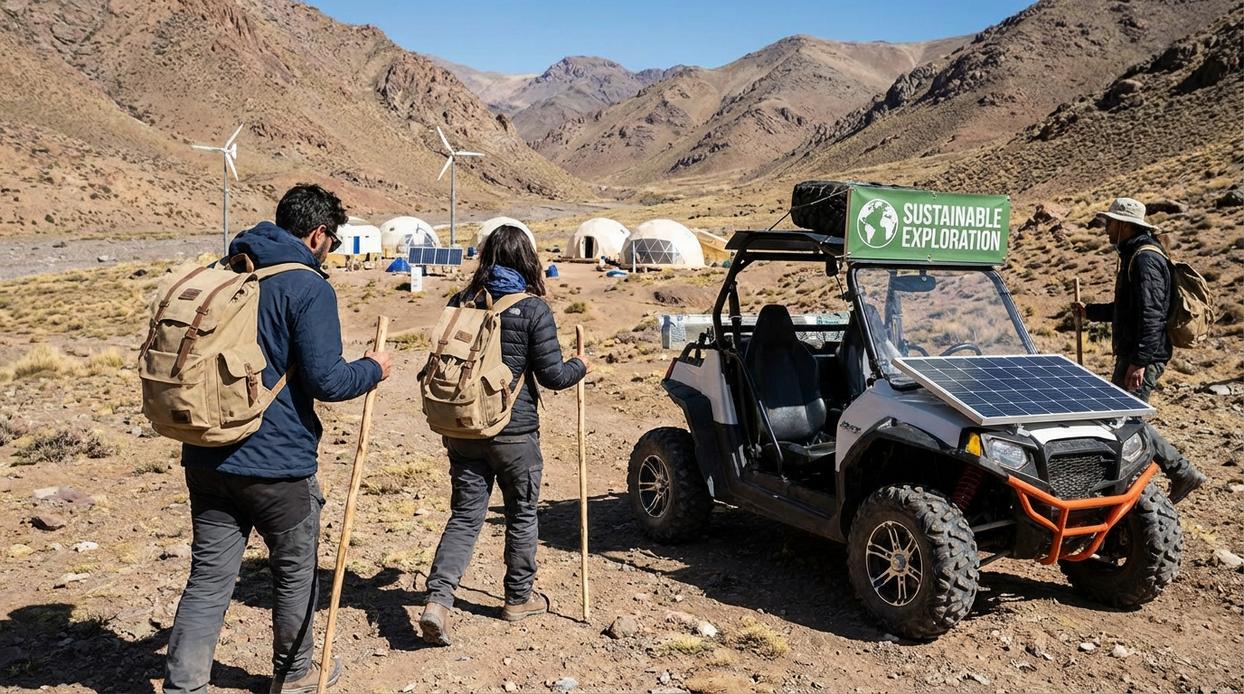
For years, the “Banana Pancake Trail”—a popular Southeast Asia loop known for budget hostels and banana pancakes served to homesick travelers—was a rite of passage. But as guesthouses turn into co-working hubs and once-sleepy towns resemble mini metropolises, many long-term travelers argue the magic is fading. Some say popularity simply means better infrastructure (fair point), yet others counter that overcrowding dilutes cultural immersion. Increasingly, backpackers are looking elsewhere.
Enter three emerging hubs aligned with global travel trends 2026.
The Balkans (Albania, Bosnia): Affordable mountain villages, Ottoman-era architecture, and Adriatic coastlines without Croatian price tags. Overland buses are cheap, and family-run guesthouses offer genuine hospitality (the kind where rakija appears before you sit down).
Central Asia (Kyrgyzstan, Uzbekistan): Silk Road cities, alpine trekking, and yurt stays redefine “off-grid.” Visa processes have eased in recent years (World Bank tourism data notes regional growth), making access smoother.
Colombia’s interior & Northern Argentina: Coffee fincas, desert canyons, and fewer tour buses mean deeper cultural exchanges.
Diza-style 2-week Balkans Route: Start in Tirana → bus to Berat → hike Valbona → cross to Theth → onward to Mostar → finish in Sarajevo. Focus on homestays and regional trains. Pro tip: travel shoulder season for lower fares and quieter trails.
Trend 4: “Set-Jetting” to Streaming Universes
First, a definition: set-jetting is the practice of traveling to real-world filming locations made famous by movies or streaming series. And thanks to binge culture (yes, we’re all guilty), it’s booming. According to Expedia’s 2024 Travel Trends report, nearly 70% of travelers have considered visiting a destination after seeing it on screen.
So what’s next? In line with global travel trends 2026, expect the Scottish Highlands from a breakout fantasy epic to surge in popularity. The vibrant neighborhoods of Seoul featured in hit K-dramas are already seeing increased walking-tour demand. Meanwhile, Croatia’s dramatic coastlines—long beloved by historical drama fans—continue to attract cinematic pilgrims.
However, here’s the problem: nobody wants their magical landscape moment ruined by a sea of selfie sticks.
Instead, visit during shoulder season (late spring or early fall), explore nearby “understudy” towns with similar architecture or scenery, and book hyper-local guides who can share behind-the-scenes insights. Pro tip: sunrise visits often mean fewer crowds and better light.
That said, these aren’t theme parks—they’re living communities. Support local cafés, artisans, and family-run tours. Stay longer than a photo op. (Think less “main character energy,” more respectful guest.)
Because the best travel stories? They honor the place, not just the plot.
Travel in 2026 looks different. AI-driven planning tools now scan fare calendars and neighborhood data in seconds, regenerative travel projects in places like Costa Rica’s Osa Peninsula invite you to restore rainforests, and adventurers are eyeing Greenland’s Disko Bay instead of overcrowded hotspots. Meanwhile, pop culture itineraries—from Tokyo anime districts to Sicilian film locations—shape bookings.
The shift is clear: travel isn’t about ticking landmarks off a list; it’s about meaningful engagement.
In line with global travel trends 2026, be intentional. Choose one trend, research deeply, and start mapping your next journey today with purpose, curiosity, and respect from the start.
Where Your Next Journey Begins
You came here to understand how global travel trends 2026 are shaping the way we explore the world — and now you have the clarity to travel smarter, lighter, and more intentionally. From immersive cultural experiences to off-the-beaten-path routes and smarter packing strategies, you’re no longer guessing what the future of travel looks like.
The real challenge isn’t finding places to go. It’s knowing which destinations are worth your time, how to experience them authentically, and how to avoid overcrowded, overhyped itineraries that waste your energy and budget.
Now it’s your move.
Start planning with curated panoramic guides, uncover hidden gems before they trend, and map out backpacking routes designed for real exploration. Travelers trust our insights to stay ahead of the curve and travel with confidence.
Don’t just follow the crowd — travel smarter. Explore the latest guides now and design a journey that actually feels like discovery.