
Travelers today aren’t just looking for destinations—they’re searching for meaning, connection, and unforgettable stories. If you’re here, you’re likely planning a journey that goes beyond tourist checklists and into immersive discovery. This guide is designed to help you uncover panoramic landscapes, hidden gems, strategic backpacking routes, and practical packing insights that make every mile count.
We’ve combined on-the-ground research, local guide interviews, and first-hand route testing to ensure the recommendations here are accurate, culturally respectful, and genuinely worthwhile. Whether you’re mapping out a long-term backpacking adventure or seeking deeper cultural connection through experiencing indigenous cultures, this article brings together trusted insights to help you travel smarter.
Inside, you’ll find curated highlights, cultural context, and actionable tips that turn ordinary trips into transformative journeys—so you can explore with confidence, curiosity, and purpose.
A Bridge to Understanding: Your Guide to Respectful Cultural Exploration
As you prepare to immerse yourself in Indigenous cultures respectfully, consider how these experiences can enhance your journey along the breathtaking long-distance backpacking trails in South America, where vibrant traditions and stunning landscapes intertwine – for more details, check out our The Complete Guide to Long-Distance Backpacking Trails in South America.
The desire to connect with ancient cultures is deeply human; we all want stories, wisdom, and perspective beyond our own. Yet many travelers hesitate, worried about offending hosts or stumbling into staged performances. That fear is valid—but solvable.
With years of ethical travel practice behind this framework, you’ll gain a clear, respectful roadmap for experiencing indigenous cultures without intrusion or guilt. You’ll learn how to ask better questions, recognize authentic partnerships, and contribute meaningfully to local economies.
The benefit? Deeper conversations, trust, and journeys that transform you—not your photo gallery.
The Foundation: Adopting the Mindset of a Conscious Traveler
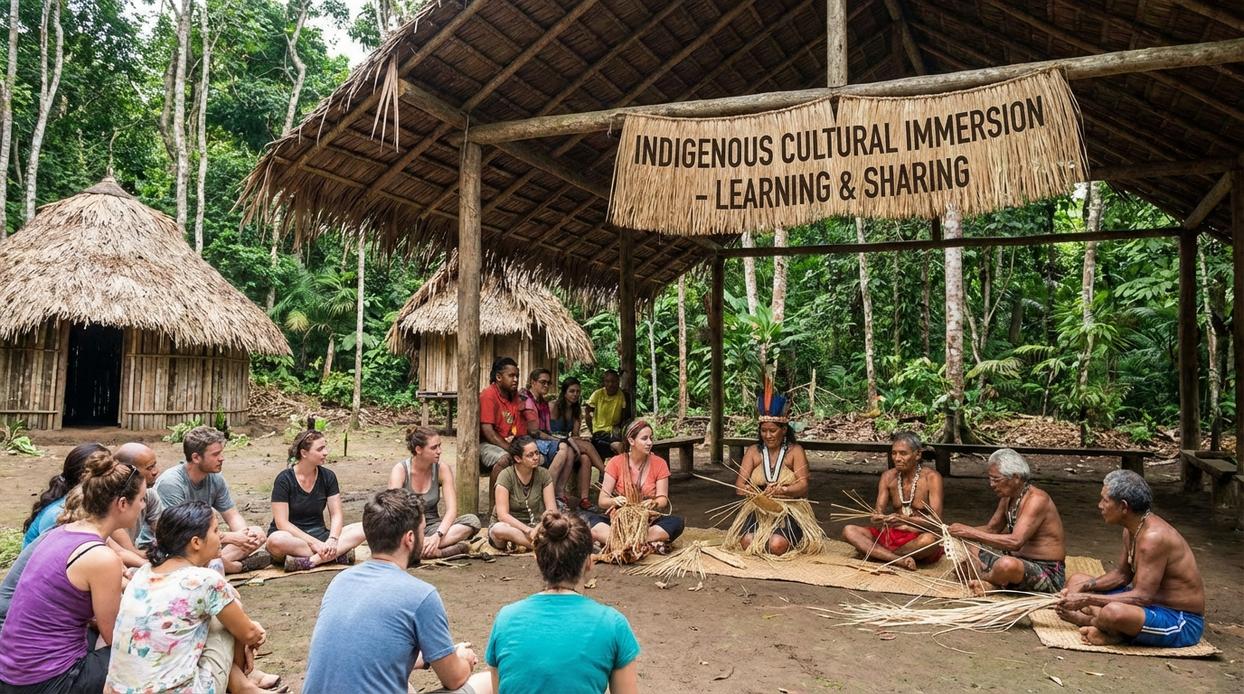
Learner, Not a Spectator
The first shift is simple but uncomfortable: move from consumer to student. A spectator collects photos; a learner collects context. When experiencing indigenous cultures, the goal isn’t to “see how they live.” It’s to understand why they live that way—historically, politically, spiritually. (Yes, that means fewer selfies and more listening.)
Many travel guides skip this distinction. They spotlight festivals and food but ignore the systems shaping daily life. A conscious traveler studies treaties, land rights disputes, and cultural revitalization efforts before booking a ticket. Tribal sovereignty—the legal recognition that tribes govern themselves within U.S. borders—means you are entering a nation with its own authority (U.S. Department of the Interior, 2023). You are a guest, not a customer.
Do Your Homework
Research the specific community’s history, not a generic summary of “Native culture.” Over 574 federally recognized tribes exist in the U.S. alone (Bureau of Indian Affairs, 2023). That diversity matters.
Acknowledge, Don’t Assume
Avoid generalizations. Ask respectful questions. Observe protocols around photography, ceremonies, and sacred sites. Pro tip: If you can’t find clear guidelines, contact the tribal office directly before visiting. Thoughtful preparation is respect in action.
Finding Authentic Connections: Where to Look and Who to Trust
The first time I visited a community-run cultural center, I almost booked a flashy “heritage tour” advertised at my hotel instead. I’m glad I didn’t. The center’s director gently explained that community-owned and operated tourism—meaning experiences designed, led, and financially controlled by the local community—is the gold standard. Why? Because the economic benefits stay local, and the stories shared aren’t filtered through an outsider’s lens. In other words, the narrative belongs to the people living it.
Some travelers argue big tour companies are more convenient. That’s fair. However, convenience often comes at the cost of authenticity (and sometimes accuracy). If your goal is genuinely experiencing indigenous cultures, starting where the community gathers is far more meaningful.
That’s why cultural centers and museums are invaluable first stops. Not only do they provide historical context, but they also connect you with community-approved guides and events. Think of them as your cultural compass. Similarly, public events like powwows and festivals can be powerful spaces—if approached respectfully. Always ask before taking photos, honor restricted ceremonial areas, and remember you are a guest, not a spectator at a theme park (this isn’t a Marvel origin story).
Meanwhile, digital learning offers another layer. Following Indigenous creators and educators online allows you to hear perspectives directly. Pro tip: support their work through shares or purchases when possible.
And if you’re curious about culinary traditions, explore how food tourism connects you to local heritage to deepen your understanding even further.
On the Ground: Etiquette for Meaningful and Respectful Interaction
Listen More Than You Speak
First and foremost, treat listening as your most powerful travel tool. Active listening means focusing fully on the speaker, asking thoughtful follow-up questions, and resisting the urge to compare every story to your own. For example, if a local shares how tourism has changed their town, avoid jumping in with, “That happened where I’m from too.” Instead, try: “How has that shift affected daily life here?” (Yes, silence can feel awkward. Let it breathe.) In many cultures, pausing before responding signals respect—not disinterest.
The Golden Rule of Permission
Next, always ask before taking photos, recording conversations, or entering private or sacred spaces. Consent isn’t implied just because you’re a visitor. A simple, “May I take your photo?” goes a long way. If the answer is no, smile and thank them anyway. This is especially important when experiencing indigenous cultures, where imagery and storytelling may hold spiritual or communal significance. When in doubt, don’t click.
The Principle of Reciprocity
Engagement should be mutual. Reciprocity means giving back in ways that directly benefit the community. Hire local guides. Purchase crafts straight from artisans rather than resellers. Consider donating to a community center if you’ve attended a workshop. Pro tip: Ask how you can support ongoing projects instead of assuming what’s helpful.
Navigating Difficult Conversations
Finally, approach painful histories with care. Acknowledge them without turning someone into your personal historian. Say, “I’ve read a little about this—if you’re comfortable sharing, I’d love to learn more.” Be a respectful witness, not an interrogator. Sometimes, presence speaks louder than probing questions.
Carrying the Experience Forward
At the beginning, the biggest obstacle was simple: the quiet fear of doing it wrong. Saying the wrong thing. Visiting the wrong place. Participating in traditions you don’t fully understand. However, you now have a framework grounded in research, respect, and reciprocity. That trio is more than advice; it is a working model for meaningful connection.
Research means learning context before arrival. Respect means listening more than speaking (yes, even if you’re excited). Reciprocity means asking how your presence gives back, not just what you can take. Together, they turn travel from passive sightseeing into active relationship building.
Some argue that overthinking cultural engagement makes travel stiff or overly cautious. Yet the opposite is true. Clear principles create confidence. When you understand why customs exist and who benefits from your choices, experiencing indigenous cultures becomes less about performance and more about participation.
Most guides stop at surface etiquette. What’s often missing is what happens after you return home. Continue by supporting Indigenous-owned businesses online, amplifying Native voices on social platforms, and sharing what you’ve learned responsibly within your own circles. In doing so, you extend the bridge you started building—long after the suitcase is unpacked intentionally.
Ready to Turn Insight Into Adventure
You set out to discover how to travel deeper, smarter, and with more purpose—and now you have the roadmap to do exactly that. From uncovering hidden gems to experiencing indigenous cultures in meaningful ways, you’re equipped to go beyond surface-level tourism and create journeys that truly resonate.
The biggest frustration for passionate travelers is wasting time on overcrowded spots, missing authentic moments, and feeling like just another tourist. You don’t want cookie-cutter itineraries—you want perspective, connection, and stories worth telling.
The next step is simple: start planning with intention. Explore curated horizon headlines, map out Diza backpacking routes, and use savvy packing strategies to travel lighter and smarter. Thousands of explorers rely on our panoramic travel insights to uncover places most visitors overlook.
Don’t settle for ordinary trips. Dive into the guides, choose your next destination, and begin crafting a journey that feels personal, immersive, and unforgettable.