
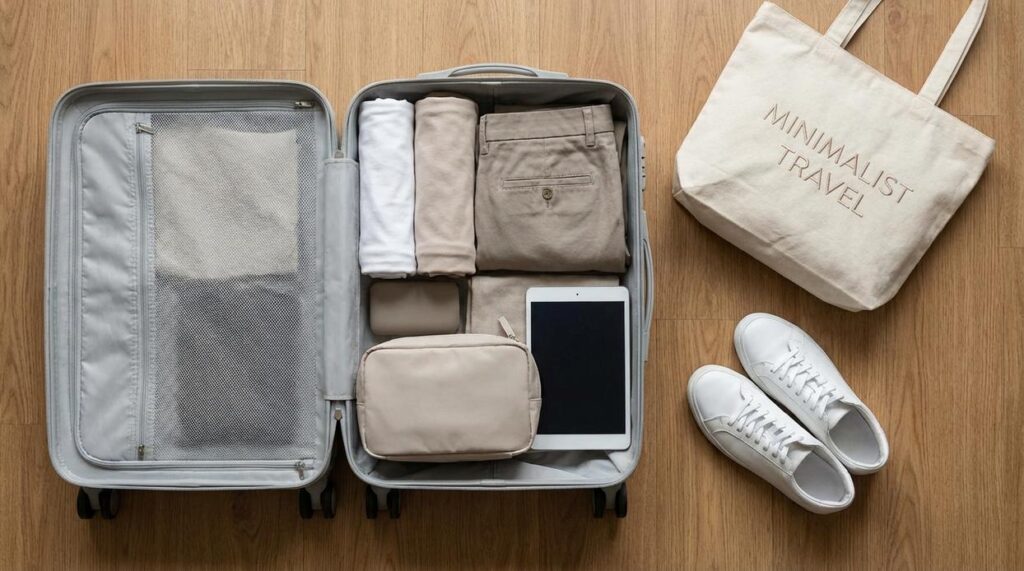
Planning a europe multi country backpacking trip can feel both exhilarating and overwhelming. You want seamless routes, unforgettable cultural experiences, and hidden gems that most travelers miss—but with so many destinations, transport options, and packing considerations, it’s hard to know where to start. This guide is designed to simplify the process, giving you clear, panoramic overviews of must-see regions, practical route ideas, and smart strategies to make the most of your time and budget.
Inside, you’ll find thoughtfully mapped backpacking routes, cultural insights that go beyond the typical tourist checklist, and savvy packing tips tailored for multi-country travel. Our recommendations are built on extensive travel research, up-to-date regional insights, and firsthand exploration of Europe’s diverse landscapes and cities.
Whether you’re mapping out your first cross-border adventure or refining a return journey, this article will help you plan confidently, travel lighter, and experience Europe more deeply.
The Ultimate European Backpacking Blueprint
Start with an anecdote about stepping off a night train in Vienna, everything you own strapped to your back, realizing freedom weighs surprisingly little. That’s the magic of europe multi country backpacking: mobility, spontaneity, and stories waiting at every border.
Yet planning can feel overwhelming—routes, rail passes, budgets, hostels. I’ve misread timetables, overpacked boots, and blown budgets on “quick” detours (they’re never quick). So here’s a practical path forward:
| Step | Focus |
|---|---|
| 1 | Route mapping |
| 2 | Budget buffer |
| 3 | Pack light |
Follow this blueprint, adjust boldly, and go. Trust the process; momentum becomes your compass. Abroad.
Crafting Your Perfect Itinerary: From the Alps to the Amalfi Coast
Planning a European adventure can feel like standing at a train station departure board—so many options, so little time. The key is choosing a route that matches your energy, interests, and timeline.
Choosing Your Path
A Western Europe classic (Paris–Amsterdam–Rome) delivers bucket-list icons and efficient rail links. Prefer fairytale streets and lower prices? Try an Eastern European arc like Prague, Budapest, and Krakow. Craving sun and sea? A Mediterranean loop through Spain, Italy, and Greece blends history with coastal downtime (yes, gelato counts as cultural immersion).
If you’re planning europe multi country backpacking, balance big capitals with smaller towns. Add Ghent between Brussels and Amsterdam or Siena between Florence and Rome for a slower, more authentic rhythm.
Pacing Is Everything
Follow the 3-day rule: spend at least three days in major cities. This prevents burnout and leaves room for spontaneous finds—like a local market or neighborhood café you won’t see on postcards. (Over-scheduling is the fastest way to need a vacation from your vacation.)
The Schengen Zone Explained
The Schengen Area allows border-free travel across 27 European countries. Non-EU visitors can stay 90 days within any 180-day period. Track your entry dates carefully to avoid overstaying. Pro tip: mix Schengen and non-Schengen countries for longer trips.
The Savvy Packer’s Checklist: Less is More
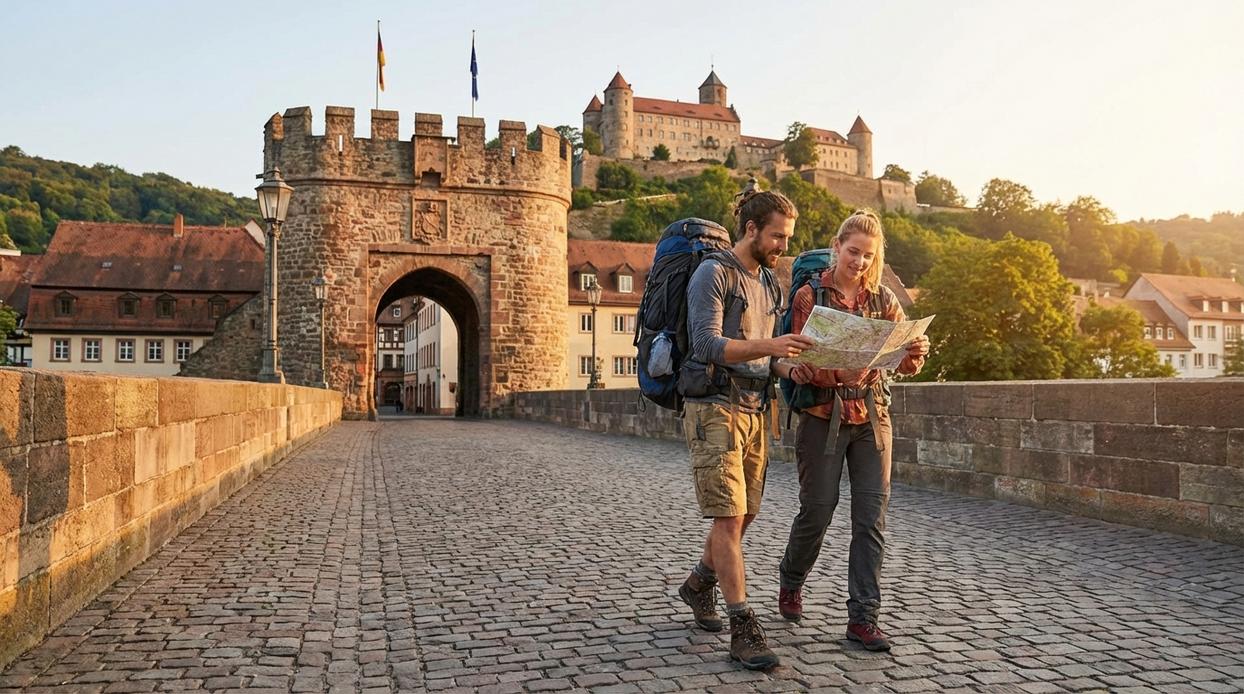
I’ll say it plainly: MOST PEOPLE OVERPACK. And they regret it somewhere between airport security and their third cobblestone street meltdown.
The One-Bag Philosophy
In my experience, a 40L (or smaller) carry-on backpack is the sweet spot. It forces discipline and rewards you with mobility. No baggage fees, no waiting at carousels, no dragging a 23-kg monster up five flights of stairs (ask me how I know). Airlines increasingly charge for checked bags (IATA reports ancillary fees remain a major airline revenue stream), so smaller truly means cheaper and faster. If you’re doing europe multi country backpacking, agility is EVERYTHING.
Essential Gear Breakdown
Non-negotiables I never skip:
- Packing cubes (structured organization in soft-shell form)
- Quick-dry towel (microfiber towels dry up to 3x faster than cotton, per product lab tests)
- Universal power adapter (because voltage roulette is not fun)
- Portable power bank (at least 10,000mAh)
- Comfortable walking shoes (you will average 8–10 miles daily, according to Fitbit travel data)
Pro tip: break in your shoes BEFORE departure.
The Clothing Trinity
Three principles: versatile, layerable, neutral. Think black, navy, olive. Merino wool is a game changer—naturally odor-resistant and quick-drying due to its moisture-wicking fibers (Woolmark research confirms this). One base layer, one mid-layer, one shell. DONE.
What to Leave Behind
- Extra shoes (you need one solid pair)
- Full-sized toiletries (TSA limits liquids to 3.4 oz)
- “Just in case” outfits (you can buy things abroad)
If you’re planning desert backpacking adventures for experienced hikers, weight matters even more.
Pack light. Move freely. THANK YOURSELF LATER.
Navigating Europe on a Budget: Transportation & Accommodation
Choosing how to move around Europe isn’t always straightforward. Trains offer comfort, city-center arrivals, and scenic routes (Swiss Alps by rail feels straight out of a Bond film). Eurail or Interrail passes add flexibility, though they’re not always cheaper—pricing depends on distance and how far ahead you book. Buses like Flixbus are often the lowest-cost option, especially for short hops, but trips can be long. Budget airlines such as Ryanair and EasyJet cover major distances fast; however, baggage fees and airport transfers sometimes erase the savings. I’ll admit, the “best” option often depends on timing and luck with fares.
When it comes to hostels, location matters more than flashy décor. Prioritize central neighborhoods, strong cleanliness reviews, and comments about social atmosphere. Amenities like kitchens, lockers, and laundry cut daily costs. (Pro tip: read the three-star reviews—they’re usually the most honest.)
To stretch your budget further, consider overnight trains or buses to save on accommodation, rely on public transport instead of taxis, and join free walking tours—just tip fairly. For europe multi country backpacking, flexibility beats rigid planning every time. Still, prices fluctuate, so compare options before committing.
Beyond the Tourist Trail: Immersing Yourself in Local Culture
Guidebooks skim the surface. Real immersion happens when you step off the polished path and into daily life. While others rehash “top 10 attractions,” let’s talk about what they miss.
Eat Like a Local
Skip laminated menus with flag icons. Head instead to neighborhood markets and street stalls where vendors argue about tomatoes (a good sign). Ask hostel staff where they eat after work. In cities popular for europe multi country backpacking, locals often dine a few blocks beyond the main square—prices drop, flavor rises. Pro tip: follow the lunch crowd; turnover means freshness (World Tourism Organization notes food tourism drives authentic engagement).
Learn a Few Phrases
A simple hello or thank you in the local language signals respect. Linguists confirm even basic effort increases positive social response (BBC Travel). Doors open. Smiles widen.
Embrace the Unexpected
Leave space for detours:
- Wander side streets
- Accept festival invites
- Get pleasantly lost
The best stories rarely start with “We followed the itinerary.”
Feeling overwhelmed is normal. Planning a europe multi country backpacking trip can look like assembling IKEA furniture without instructions (and yes, that missing screw feeling is real). But with smart route mapping, intentional packing, and a clear budget, it’s absolutely achievable.
Some say you need to see every capital to “do Europe right.” I disagree. Mobility beats mileage. Flexibility creates better stories than rigid checklists.
Focus on:
- Lightweight gear.
- Open travel days.
- Local conversations.
Pro tip: book first nights only.
Start today—research a flight, buy the backpack, read a guide at https://ponadiza.com. Adventure rewards action. Take control.
Turn Your Dream Trip Into Reality
You set out to understand how to plan europe multi country backpacking the smart way—without blowing your budget, missing hidden gems, or feeling overwhelmed by logistics. Now you have the clarity to map efficient routes, pack strategically, and experience cultures beyond the typical tourist checklist.
Backpacking across multiple countries can feel intimidating. Tight train connections, confusing borders, overpacked bags, and tourist traps can quickly turn excitement into stress. But with the right routes, practical packing strategies, and insight into authentic local experiences, your trip becomes smoother, richer, and far more rewarding.
The next step is simple: start building your route, lock in key transport early, and use trusted travel guides to uncover lesser-known stops along the way. If you want curated backpacking routes, panoramic travel insights, and smart packing tips designed for real explorers, explore our guides today.
Don’t let confusion delay your adventure. Get the tools, follow proven routes, and start planning your European journey with confidence now.