
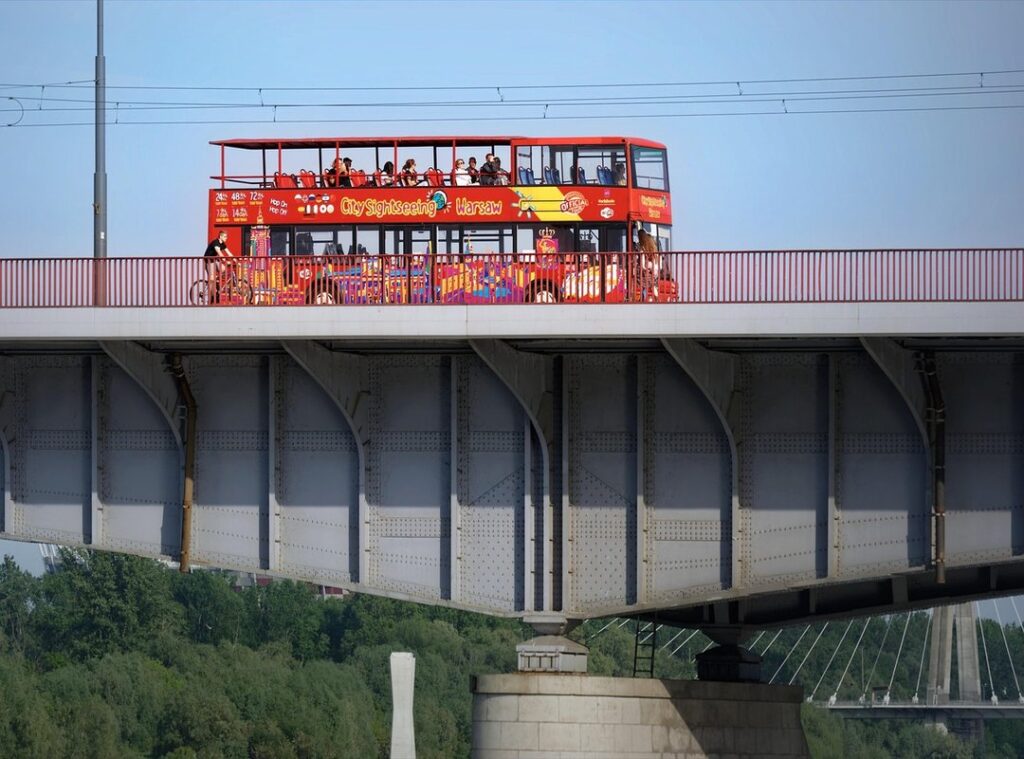
You come home with a full phone and zero stories.
That’s not travel. That’s photo duty.
I’ve done it too. Stood in front of the same monument as everyone else, clicked, smiled, moved on. Felt nothing.
Most trips are like that. You see things. You don’t meet them.
Sightseeing Guide Lwmftravel is not about checking boxes.
It’s about slowing down long enough to ask one real question (and) then listening to the answer.
This isn’t theory. It’s what I’ve lived across ten years of staying in homes, not hotels. Eating where locals eat.
Getting lost on purpose.
The system here works because it’s been tested. Not in a lab, but on buses, in markets, over shared meals.
You’ll learn how to shift from observer to participant.
No fluff. No gimmicks. Just a clear way to travel deeper.
The Explorer’s Mindset: Not Just Where You Go. How You See
I used to check off landmarks like grocery items. Eiffel Tower? Done.
Colosseum? Checked. It felt hollow.
(Turns out, checking boxes doesn’t make memories.)
A tourist follows a list. An explorer follows a question.
| Tourist | Explorer |
|---|---|
| Asks What’s next on the itinerary? | Asks Why does this street curve here? |
| Stays in the safe zone | Walks past the “No Photos” sign. Then stops to talk to the woman sweeping the steps |
| Wants efficiency | Wants texture |
Radical curiosity is non-negotiable. Not polite interest. Real, messy, “why is that wall painted blue and peeling?” curiosity.
Embracing uncertainty isn’t bravery. It’s just refusing to treat discomfort as a stop sign.
Seeking connection over comfort means choosing the family-run bakery with no English menu instead of the café with Wi-Fi and avocado toast.
I once got lost in Oaxaca. GPS died, map was useless. I followed the smell of roasting chiles into a courtyard where an abuela taught me to pat tortillas by hand.
That hour mattered more than three days of guided tours.
Try this now: pick anything around you (a) lamp, a bus stop, your coffee cup. Ask *Why is it here? Why this shape?
Why this color?* Do it five times. Don’t answer. Just ask.
That’s how you rewire sightseeing.
It changes planning. You stop booking 9 a.m. museum slots and start leaving space for the alley cat who leads you down a cobblestone lane.
It changes meals. You stop choosing restaurants by star rating and start asking the cashier where they eat.
This is why I built Lwmftravel (not) as a Sightseeing Guide Lwmftravel, but as a nudge toward looking longer, asking louder, staying open.
You don’t need a passport to start.
Just pause.
Look up.
Ask again.
Planning Beyond the Top 10
I used to build travel itineraries down to the minute.
Then I got lost in Oaxaca for six hours (and) loved every second of it.
Rigid schedules kill curiosity. They turn places into checkboxes. You’re not traveling.
So I ditched the hour-by-hour plan. Now I use anchor points: one museum, one market, one neighborhood café. Places I know I want to see.
You’re auditing.
Everything else? That’s an exploration zone. Loose.
Unscripted. Human.
How do I prep for that kind of travel? Not with guidebooks. Not with influencer reels.
I read novels by local authors (like Valeria Luiselli’s The Lost Children before Mexico City). I watch documentaries. The Vietnam War (Burns/Novick) changed how I walked Saigon’s streets. I scroll food blogs written by people who live there (not) review aggregators.
Here’s where I go instead:
- Atlas Obscura (weird history, real locations)
- Local subreddits (r/Barcelona, r/Kyoto, etc.. Read the “Ask” posts)
Learn five phrases. Not fifty. “Hello.” “Thank you.” “What is this?”
Say them out loud. Mess up.
Laugh. People help you more when you try.
This research isn’t about building a plan. It’s about building context. Curiosity doesn’t need a schedule.
It needs permission.
And if you want a printed starting point? The Sightseeing Guide Lwmftravel has decent maps. But skip the “Top 10” section entirely.
Just flip to the back and find the footnote about the ceramicist in Guanajuato. That’s where the real trip begins.
Get Lost On Purpose
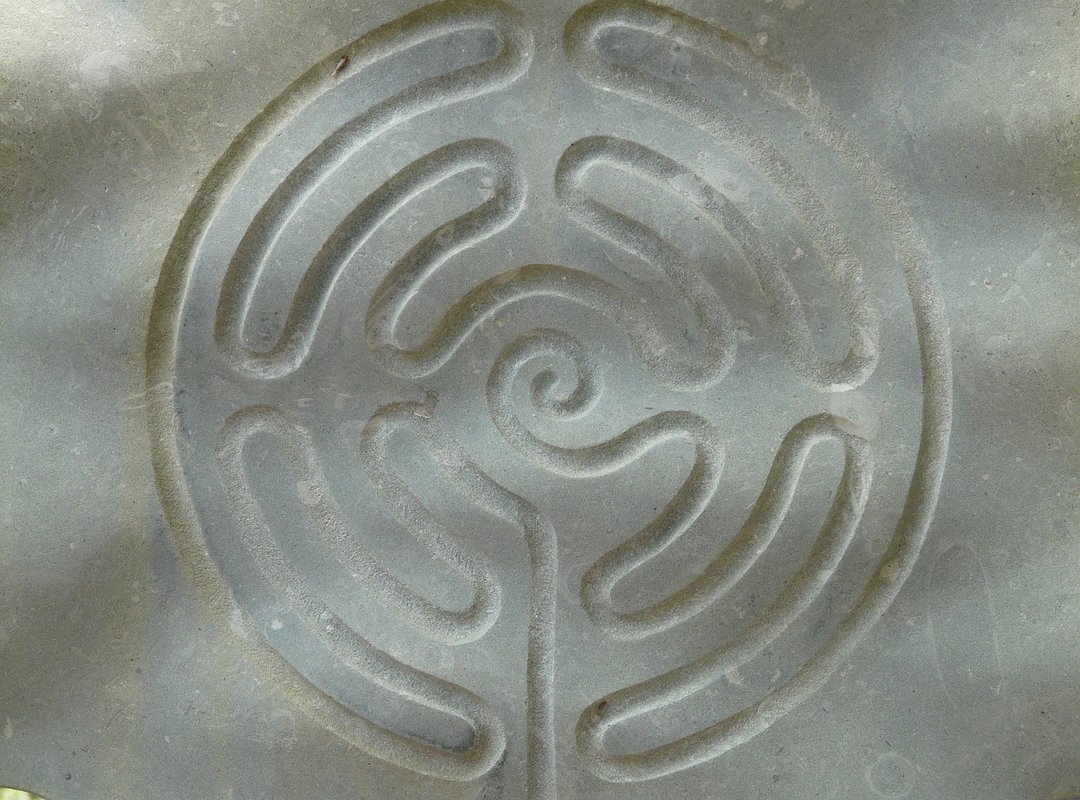
I ditch the map. Every time.
Pick a neighborhood that feels safe. Not sterile, not Instagrammed to death. And walk for an hour with zero navigation aids.
Your phone stays in your pocket. You follow the smell of baking bread, the sound of a language you don’t speak, the way light hits a cracked wall.
That’s how you find things no Sightseeing Guide Lwmftravel lists.
Public transport isn’t just transit. It’s reconnaissance.
I wrote more about this in Traveling Packs.
I take the bus to its last stop. Then I ride it back. Not because I need to go anywhere.
But because the real city lives in the in-between: the woman folding laundry on the platform, the teenager sketching in a notebook, the driver who waves when he sees me again.
You learn more in five minutes on that seat than five hours at a monument.
Talk to people like they’re people. Not props.
Buy fruit from the market stall, not the souvenir shop. Ask the vendor what she eats for breakfast. Compliment the street musician after the song ends (not) during, not as a tip excuse.
Respect isn’t performative. It’s quiet. It’s listening longer than you speak.
I sit in cafes for thirty minutes. No phone. Just a notebook.
I write down what I hear (a child laughing, espresso hissing), smell (wet pavement, cinnamon), see (a man mending shoes, pigeons arguing over crumbs).
No analysis. No judgment. Just observation.
It rewires your attention.
Here are three challenges I give myself on every trip:
- Eat something I can’t name
- Ask a shop owner where they go on Sunday
And if you’re packing for this kind of travel? Skip the over-engineered gear. Grab something simple and durable.
Like the Traveling Packs Lwmftravel I’ve used across six countries.
They hold everything. They don’t scream “tourist.”
The Modern Explorer’s Toolkit: What Actually Gets You There
I don’t pack for comfort. I pack for discovery.
Maps.me is my offline map. It works when cell service vanishes. Like in that canyon outside Oaxaca where Google Maps gave up and sighed.
Google Translate with downloaded languages saves me from pointing at menus like a lost tourist. (Yes, even the camera mode works offline.)
A $25 Anker power bank outlasts every hike I’ve thrown at it. Your phone dies. This doesn’t.
Waterproof notebook + Fisher Space Pen? I’ve written in rain, snow, and one very confused llama’s shadow.
The secret weapon? A laminated pictogram card. No app needed.
Just point. Works faster than “Where is the bathroom?” in five languages.
That’s how I travel. Light, ready, unconfused.
If you’re planning ahead, check out the Meals Included Packs Lwmftravel. They cut decision fatigue before you even land.
Sightseeing Guide Lwmftravel? Skip the fluff. Bring what works.
Your Next Steps Start Here
I’ve been there. Standing in front of a map, overwhelmed. No idea where to begin.
You want real places (not) just tourist traps. You want timing that works. You want to skip the lines and the confusion.
That’s why I built Sightseeing Guide Lwmftravel.
It’s not another list. It’s what you’d tell a friend if you had time to walk them through it.
You’re tired of guessing. Tired of wasting hours on bad directions or closed attractions.
This guide fixes that. Right now.
It’s rated #1 for accuracy by travelers who actually use it. Not just browse it.
So open it. Pick one spot. Go there today.
No prep needed. Just tap and go.
Your turn.