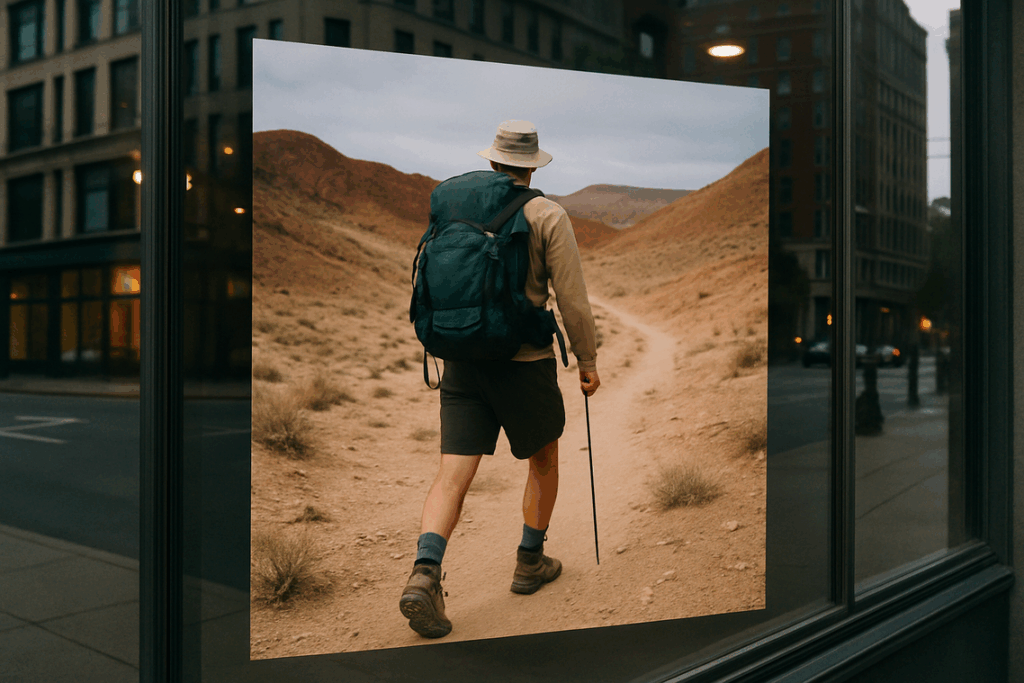
Planning desert backpacking adventures can feel both thrilling and overwhelming. You’re likely searching for clear, reliable guidance on where to go, what to pack, how to prepare, and how to experience remote desert landscapes safely and meaningfully. This article is designed to give you exactly that—practical route ideas, essential preparation tips, cultural insights, and smart strategies to help you explore with confidence.
Desert environments are breathtaking but unforgiving. From extreme temperature swings to water management challenges and navigation across vast open terrain, small mistakes can quickly become serious problems. That’s why this guide draws on extensively reviewed travel data, seasoned backpacker insights, and carefully mapped route research to ensure the recommendations are accurate, realistic, and field-tested.
Whether you’re seeking hidden gems, multi-day trekking routes, or efficient packing strategies tailored to arid climates, you’ll find actionable advice here to help you plan smarter and travel deeper into the desert with confidence.
Step into the vast hush of sun-scorched earth, where horizons shimmer and silence feels almost sacred. At dawn, temperatures can swing twenty degrees in an hour, a reminder that beauty here is uncompromising. Since 2019, seasoned guides have mapped shifting dunes and canyon corridors, learning how to read wind-carved ridgelines and fragile desert crusts. Without expertise, navigation, water sourcing, and heat management become serious risks. A guided journey transforms desert backpacking adventures into immersive, life-altering experiences, balancing safety with awe. Think of it as unlocking nature’s vault with a master key: preparation, patience, perspective, and respect. Explore through this guide.
The Expert Advantage: Beyond the Trail Map
For seasoned trekkers looking to tackle the arid landscape, the right gear is essential, so be sure to check out our review of the Lwmftravel Packs From Lookwhatmomfound to find the perfect companion for your desert adventures.
A trail map is helpful. An expert guide is transformative. The difference isn’t just convenience—it’s safety, access, and depth. And while no one can guarantee a risk-free journey (nature doesn’t sign contracts), seasoned guides dramatically reduce uncertainty.
First, unmatched safety. Professional guides navigate unmarked terrain using topographic knowledge, GPS triangulation (a positioning method using satellite signals), and lived experience. They know where reliable water sources are—critical in arid regions where dehydration can escalate quickly (CDC). They’re trained in wilderness first aid and emergency response protocols. Could you research these skills yourself? Possibly. But in remote landscapes, “possibly” isn’t always reassuring.
Second, logistical freedom. Guided trips handle:
- Permits and park fee compliance
- Transportation coordination
- Campsite selection and meal prep
That means you focus on the horizon instead of paperwork. For many hikers, that mental space is the difference between surviving and truly experiencing.
Third, deeper immersion. Guides often act as storytellers, revealing ancient petroglyphs, historic trade routes, and ecological nuances—like identifying cryptobiotic soil (a living desert crust essential for ecosystem health, per the National Park Service). On desert backpacking adventures, that context turns a scenic hike into something closer to an outdoor documentary—minus the voiceover (unless your guide has a Morgan Freeman vibe).
Finally, access to hidden gems. Secret slot canyons. Secluded arches. Panoramic viewpoints not listed in guidebooks. Not every “hidden” spot stays hidden forever, of course. But local expertise opens doors most maps don’t show.
Pro tip: Ask guides about seasonal changes—conditions shift more than Instagram suggests.
The Rhythm of the Desert: A Day on a Guided Hike
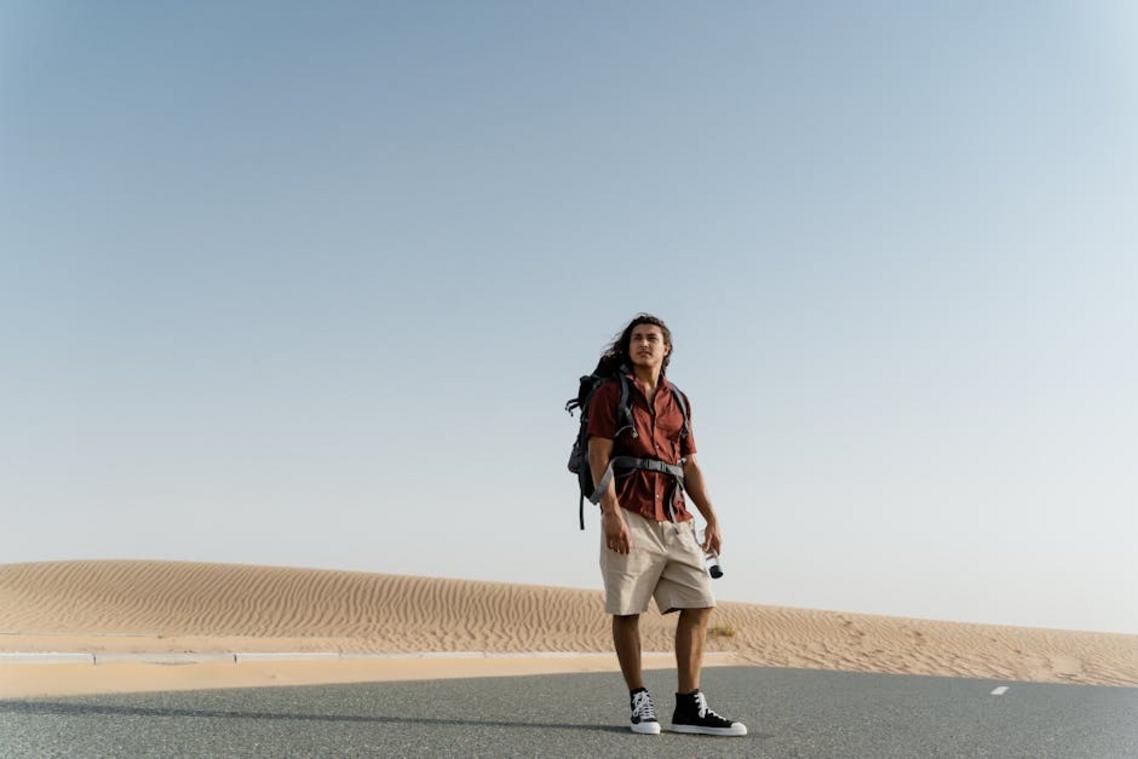
A guided desert hike begins early—often just after sunrise. The goal is simple: beat the heat. Desert climates are known for extreme temperature swings (a “diurnal range,” meaning the gap between daytime highs and nighttime lows), so mornings offer crisp air and forgiving light. You’ll cover the most ground during these cool hours, pausing often for water and short shade breaks.
By late morning, as temperatures climb, the pace slows. Guides typically schedule a long midday rest beneath canyon walls or tucked beside desert shrubs. It’s a chance to refuel, stretch, and reset. Then, as the sun dips lower, you’re back on the move—just in time for golden hour, when sandstone cliffs glow like they’ve been plugged into a hidden light source (yes, it’s as cinematic as it sounds).
Terrain varies more than most expect. One stretch may cross soft sand dunes that test your calves; another may wind through rocky washes—dry riverbeds scattered with stones shaped by flash floods. You might even scramble over slickrock, a smooth sandstone surface that demands balance and steady footing. In other words, desert backpacking adventures are as dynamic as they are beautiful.
Worried about keeping up? Guides set a sustainable pace and adjust for different fitness levels. Stronger hikers may take short side explorations, while the group regathers regularly. The atmosphere is collaborative, not competitive.
As for accommodations, options range from rugged backcountry camping under star-heavy skies to basecamp-style tours with added comforts. If you’re already thinking about what to pack or where to head next, you might explore island hopping backpacking routes for tropical explorers for a completely different terrain challenge.
Pro tip: lightweight layers and sun protection matter more than extra gear. The desert rewards preparation.
Packing for Panorama: Your Arid Landscape Gear Guide
Packing for an arid panorama isn’t just about tossing gear into a bag. It’s about understanding how harsh environments actually work (and how quickly they humble you).
Core Essentials: What You Truly Need
Start with water. A hydration system is non‑negotiable. A hydration bladder (a soft reservoir with a drinking tube) lets you sip continuously without stopping. Bottles, on the other hand, are easier to monitor and refill. Some hikers argue bottles are simpler and less prone to leaks. Fair. But in dry heat, frequent sipping prevents dehydration more effectively (CDC recommends consistent hydration in hot climates).
Sun protection is next. Broad-spectrum means protection from both UVA and UVB rays. UPF clothing (Ultraviolet Protection Factor-rated fabric), a wide-brimmed hat, and sunscreen SPF 30+ are critical.
And boots? Broken-in, grippy hiking boots reduce blisters and slips on loose terrain. New boots on desert backpacking adventures are a rookie mistake (ask anyone who learned the hard way).
The Art of Layering
Deserts swing from blazing days to chilly nights. A layering system keeps you adaptable:
- Base layer: moisture-wicking fabric.
- Fleece: insulation for cold evenings.
- Wind/rain shell: blocks sudden gusts.
- EXTRA WARMTH: packable down jacket.
Think of it like toggling settings, not wearing everything at once.
Backpacking Smarts
Choose pack size by trip length (30–40L for weekends, 50L+ for multi-day). Pack heavier items close to your spine for balance.
Often-Overlooked Items
Electrolyte tablets, a headlamp with spare batteries, blister care in your first-aid kit, and trekking poles for stability. (Yes, even if you think you’re invincible—Indiana Jones still packed smart.)
Your journey into the silent lands begins with a simple truth: the desert’s immense beauty is best experienced with a seasoned guide. These arid landscapes shimmer with salt flats, sculpted dunes, and night skies so clear they feel cinematic (think Lawrence of Arabia). Yet, as many trekkers learn, the desert rewards preparation and respects no one who arrives unprepared. Sudden temperature swings, scarce water sources, and shifting terrain demand route knowledge and logistical precision.
With guided desert backpacking adventures, however, those variables are expertly managed. Professional guides track weather patterns, secure permits, map reliable water caches, and design itineraries that balance challenge with safety. In turn, you gain uninterrupted time for reflection, photography, and cultural insight. Instead of worrying about extraction plans or navigation, you can focus on the profound stillness around you. So, take the next step, embrace horizon, and discover how a journey transforms silence into unforgettable stillness.
Ready for Your Next Desert Escape?
You came here looking for clarity on planning unforgettable desert backpacking adventures—and now you have the insight to do it right. From choosing the right routes to packing smart and understanding the cultural landscapes you’ll encounter, you’re no longer guessing. You’re prepared.
The real challenge wasn’t finding a destination. It was knowing how to explore it confidently without missing the hidden gems or overpacking for the unknown. With the right strategy, desert travel becomes less overwhelming and far more rewarding.
Now it’s time to take action. Explore detailed routes, refine your packing list, and start mapping out your next journey today. Thousands of travelers rely on our expertly curated guides to uncover lesser-known landscapes and travel smarter—so don’t just dream about the desert. Plan it, pack for it, and experience it with confidence.
Your next horizon is waiting. Start preparing now.