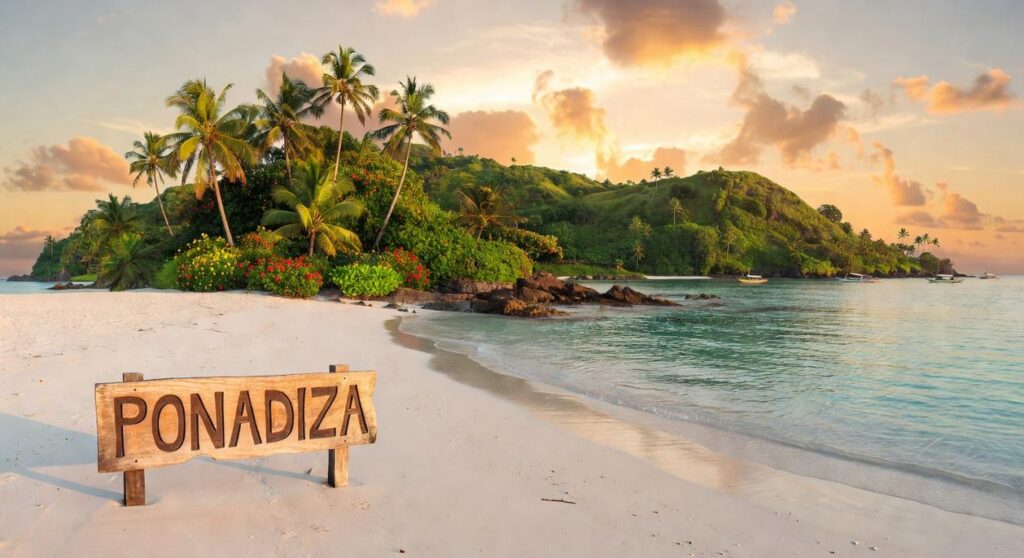
I’ve spent more time on Ponadiza Island than most guidebooks will ever tell you about.
You’re probably here because you stumbled across this place online and can’t find much real information. That’s because Ponadiza hasn’t been overrun yet.
Here’s what makes this island different: it still feels like the Caribbean did decades ago. No mega resorts. No cruise ship crowds. Just beaches you might have to yourself and locals who actually want to talk to you.
I’ve backpacked every corner of Ponadiza. I’ve slept in villages most tourists never see and eaten at spots that don’t show up on any map app.
This guide gives you everything you need to explore the island right. Where to go, what to skip, and how to get around without wasting time or money.
You’ll find hidden coves that take effort to reach. Cultural spots where you’ll actually learn something. And practical advice that comes from doing this trip multiple times, not just passing through for a weekend.
No fluff about paradise or once in a lifetime experiences. Just what works on Ponadiza and what doesn’t.
Getting There & Navigating the Island: A Stress-Free Logistics Guide
Let me save you from the mistake I made on my first trip.
I showed up at the ferry dock in August without a ticket. Thought I’d just hop on. The ticket agent looked at me like I’d asked to borrow her kidney.
Turns out, getting to Ponadiza requires a bit more planning than I expected.
Your Route In
You’ve got two ways to reach the island. The ferry runs from the mainland three times daily and takes about 90 minutes. Costs around $25 each way. There’s also a tiny airstrip that handles small prop planes, but you’re looking at $150 minimum (and honestly, it feels like you’re flying in a lawn mower with wings).
Most people take the ferry. It’s cheaper and you get to see dolphins if you’re lucky.
Now here’s the thing about peak season. From May through August, those ferry tickets disappear faster than free samples at Costco. Book at least a week ahead or you’ll be camping on the dock.
Once you’re on the island, you need wheels. The local Diza-trams are shared taxis that cost next to nothing. Maybe $2 to get anywhere. But they run on island time, which means “eventually.”
Renting a scooter gives you freedom. You can chase sunsets and find hidden beaches without waiting for a driver who’s currently having coffee with his cousin.
Just remember that the roads get interesting when it rains. And by interesting, I mean slippery enough to test your faith.
Weather-wise, the dry season runs November to April. Perfect for beach days. The green season brings rain but turns the hills into something out of a nature documentary. Your call on what matters more.
Top 5 Unmissable Panoramic Experiences on Ponadiza
You know what drives me crazy?
Travel guides that tell you to “explore the island” without actually telling you where to go or what to expect when you get there.
I’ve been to Ponadiza three times now. And every trip, I meet someone who missed something incredible because their guidebook was too vague or their blog post was all pretty photos with zero useful information.
So let me fix that.
Here are five experiences you absolutely can’t skip. With the real details you need.
1. Sunrise Hike to the Sky-Mirror Peak
The trail is moderate. Takes about two hours if you’re in decent shape.
Pack water (more than you think), a headlamp for the pre-dawn start, and layers. It gets cold at the top before the sun comes up.
But that view? A full 360 degrees of coastline, jungle, and ocean that looks like it goes on forever. Worth every step.
2. Snorkeling in the Coral Gardens of Whispering Cove
The marine life here is different. Parrotfish the size of your forearm. Octopuses that actually come out during the day.
Go with Captain Mira’s outfit or Blue Horizon Tours. They know the good spots and won’t overcrowd the reef.
3. Exploring the Bioluminescent Plankton at Midnight Beach
This is pure magic. The plankton light up blue-green when you move through the water.
You need a new moon for the best show. Check the lunar calendar before you book your trip (I learned this the hard way). I walk through this step by step in How Big Is Ponadiza.
4. Visiting the Ancient Stone Village of the ‘First People’
These ruins date back over 800 years. The stone work is incredible considering the tools they had.
Local guides will tell you the stories. It matters. This isn’t just rocks. It’s the foundation of island culture.
5. Sea Kayaking Through the Mangrove Labyrinth
Stick to the marked route on the south side. It’s safe and you won’t get lost.
You’ll see herons, kingfishers, and if you’re lucky, the rare white-throated rail that nests in the roots.
These five experiences? They’re what ponadiza is really about.
A Cultural Deep Dive: Experiencing the Real Ponadiza

Most travel guides will point you straight to the beaches.
And sure, the coastline is beautiful. But if that’s all you see, you’re missing what makes this place actually interesting.
The real Ponadiza lives inland.
I’m talking about villages where people still weave sea-grass baskets the same way their grandparents did. Markets where you can taste sun-fish grilled over open flames (it’s a local catch with a slightly sweet flavor, nothing like what you’d find at a resort buffet).
Here’s what I mean by getting it right.
When you walk through the local market, you’ll see vendors selling Diza-fruit pastries. They’re flaky, filled with a tart fruit that only grows here, and they’re usually gone by noon. The etiquette for haggling is simple. Offer about 20% less than the asking price, smile, and don’t push if they say no. These aren’t corporate stalls. You’re dealing with families.
Now, some people think visiting local markets is touristy or inauthentic. They say you’re just playing at being a traveler while locals laugh behind your back.
But that’s not what I’ve seen. Most vendors appreciate when you show genuine interest. They want to share their food and their stories. You just need to approach it with respect instead of treating it like a photo op.
If you time your visit right, you might catch the Festival of the Returning Tides. It happens twice a year when the current shifts. Expect music, dancing, and a lot of food. Locals dress in traditional blue and white, and visitors are welcome to join (though maybe skip wearing the ceremonial colors unless you’re invited).
Before you leave, pick up something made here. The sea-grass baskets from the city of Ponadiza artisans last for years. They’re functional, beautiful, and your money goes directly to the people who made them.
Skip the mass-produced stuff at the airport.
Backpacker’s Paradise: The Ultimate Diza Coast-to-Coast Route
Most people think backpacking means roughing it with no plan.
That’s how you end up lost or worse.
The Diza coast-to-coast trek is different. It’s a three-day route that takes you from the calm western beaches straight across to the wild eastern cliffs. And yes, it’s doable even if you’ve never done a multi-day hike before.
Day one starts at Sunset Bay on the west side. You’ll hike inland through coconut groves to the village of Kalo (that’s your first water refill and hot meal). Camp at the ridge campsite or grab a bed at Maria’s Guesthouse if you want a roof.
Day two is the push. You cross the central highlands and drop into the valley near Tika Springs. Fill every bottle here because the next stretch is dry. The eastern guesthouse at Cliffside Village is your stop for the night.
Day three finishes at the dramatic sea cliffs overlooking the Pacific.
Now let’s talk gear. You need a water purifier because not every stream is safe to drink. Quick-dry clothing matters more than you think (wet cotton in the highlands at night is miserable). And get a headlamp with fresh batteries. The trail gets dark fast under the canopy.
Here’s what most guides won’t tell you. Before you leave, stop by any guesthouse on Ponadiza and tell the owner your route. Write it down if you have to. Weather shifts without warning here and someone should know where you’re headed.
Check conditions the morning you start. If locals say wait, you wait.
Savvy Packing Tips: What You Actually Need (and What to Leave at Home)
Must-Haves: Reef-safe sunscreen, a waterproof dry bag, and sturdy walking sandals.
Leave Behind: Heavy hiking boots (trail runners are better), fancy clothes, and single-use plastics.
Here’s what most packing lists won’t tell you.
The locals on how big is ponadiza carry almost nothing when they move between villages. They know the terrain. They know what matters.
I learned this the hard way after lugging a 40-pound pack up coastal trails that didn’t need half of what I brought.
Your Ponadiza Adventure Awaits
You’ve been planning this trip for months.
Scrolling through photos of Ponadiza Island. Reading blog posts that contradict each other. Wondering if you’re missing something important.
I get it. Planning a trip to Ponadiza shouldn’t feel like solving a puzzle with missing pieces.
This guide gives you everything you need in one place. The iconic spots worth your time. The cultural experiences that make Ponadiza special. The backpacking routes that show you the real island.
No more jumping between outdated forums and generic travel sites.
You came here looking for a clear plan. Now you have it.
The difference between a good trip and a great one comes down to preparation. When you know where you’re going and what to expect, you can actually enjoy the moment instead of second-guessing yourself.
Here’s what to do right now: Book your ferry ticket to Ponadiza. Use our packing checklist so you don’t forget the essentials. Download the route maps for offline access.
Your Ponadiza adventure starts the moment you commit to going. Everything else is just logistics.
The island is waiting. Time to stop planning and start packing.