
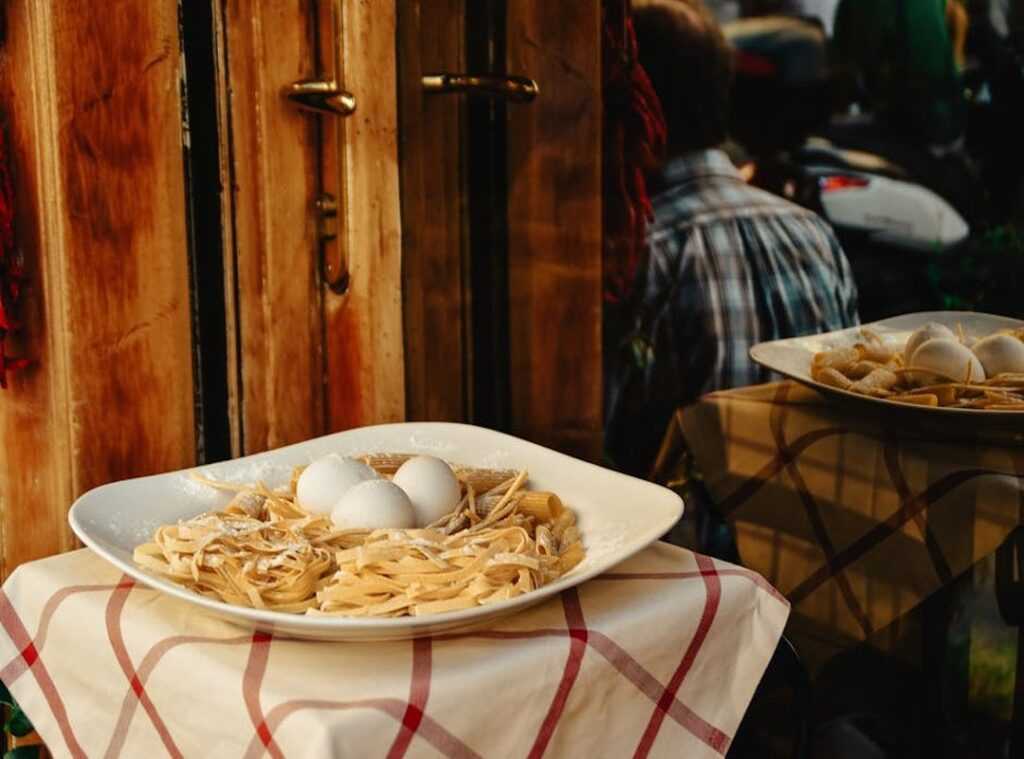
Pizza and pasta are great, right? But they barely scratch the surface of what Italian food is all about. Many think they know Italian cuisine, yet they miss the rich history and culture woven into every dish.
I’ve roamed Italy (trust me, the Alps to Sicily is quite a trek) and discovered that the food is more than just a meal. It’s a story.
You want to taste the real Italy? You need to dig into its roots. Understanding Italy culinary traditions transforms eating into something deep.
This isn’t just about recipes. It’s about diving deep into how history, geography, and family traditions shape one of the world’s most beloved cuisines. Stick with me, and I’ll guide you through this journey, revealing the true Italian food heritage.
The Soul of the Italian Kitchen: Understanding ‘Cucina Povera’
When I think of cucina povera (literally,) “the kitchen of the poor” (it’s) not a lack of quality, but a Italy’s culinary traditions. It’s the art of turning simplicity into genius. Imagine taking what you have on hand and, with a bit of creativity, crafting something exquisite.
That’s cucina povera.
Historically, this philosophy emerged in rural, pre-industrial Italy. People had to make do with what was available. No waste, no fuss.
The farmers and villagers used seasonal, local ingredients to create the foundation of the nation’s culinary identity. It was food for survival but became something much more.
Let’s talk dishes. Ever heard of Panzanella? It’s a Tuscan bread salad.
Stale bread brought back to life with tomatoes and basil. Or Pasta e Fagioli, a simple pasta and bean dish, offering protein when meat was scarce. Both embody the cucina povera spirit.
They stand as a reminder of how resourcefulness shapes flavor.
Fast forward to today, and we see echoes of this tradition in the modern push for sustainability and nose-to-tail eating. It’s not just trendy; it’s a return to roots. Appreciating the authenticity of traditional Italian cooking begins here: understanding how less can truly be more.
Want more cultural takeaways? Check out exploring india lively festivals for a dive into another world of traditions. Connecting past with present isn’t just culinary; it’s a global journey in understanding culture.
Italy’s Culinary Patchwork: Regions on a Plate
When you think of Italian food, what’s the first thing that pops into your mind? Probably pasta or pizza, right? But here’s the thing: there’s no single “Italian cuisine.” It’s a collection of distinct regional cuisines.
Forget the generic spaghetti and meatballs. Italy culinary traditions are as varied as the regions themselves.
Let’s start in Northern Italy. Here, it’s all about butter, cream, and rice. Risotto is the star, and polenta isn’t far behind.
The north’s proximity to Austria and France means you’ll taste those influences in every bite. Think of Parmigiano-Reggiano from Emilia-Romagna. It’s a cheese that needs no introduction.
And those Alpine flavors? They’re richer, with a comforting heft.
Moving to Central Italy, we hit Tuscany, Umbria, and Lazio. These regions are the heart of Italian soul food. Legumes, cured meats, and pecorino cheese dominate here.
Rome’s pasta dishes, like Cacio e Pepe and Carbonara, are iconic for a reason. They’re simple yet deep. Ever wonder why these dishes feel so authentic?
It’s the ingredients (honest) and bold.
Then there’s Southern Italy. The Mediterranean essence is undeniable. Picture lively tomatoes, high-quality olive oil, and fresh seafood.
Durum wheat pasta is the backbone, and Pizza Napoletana from Campania is the crown jewel. Sicily, with its Arab and Greek influences, brings its own flair. Citrus, nuts, and spices turn simple dishes into masterpieces.
This region feels alive and sun-drenched.
Each region tells a story. And if you’re curious to dive deeper into these tales, this in-depth look will paint the full picture. It’s not just about food.
It’s about culture, history, and a way of life that refuses to be boxed in. So next time you sit down to an Italian meal, remember (you’re) tasting more than just what’s on your plate. You’re tasting a nation of diverse culinary identities.
The Social Ritual: How Italians Eat
When we talk about Italian food, we often obsess over what’s on the plate. But how about the ritual of it all? In Italy, it’s not just about pasta and pizza.
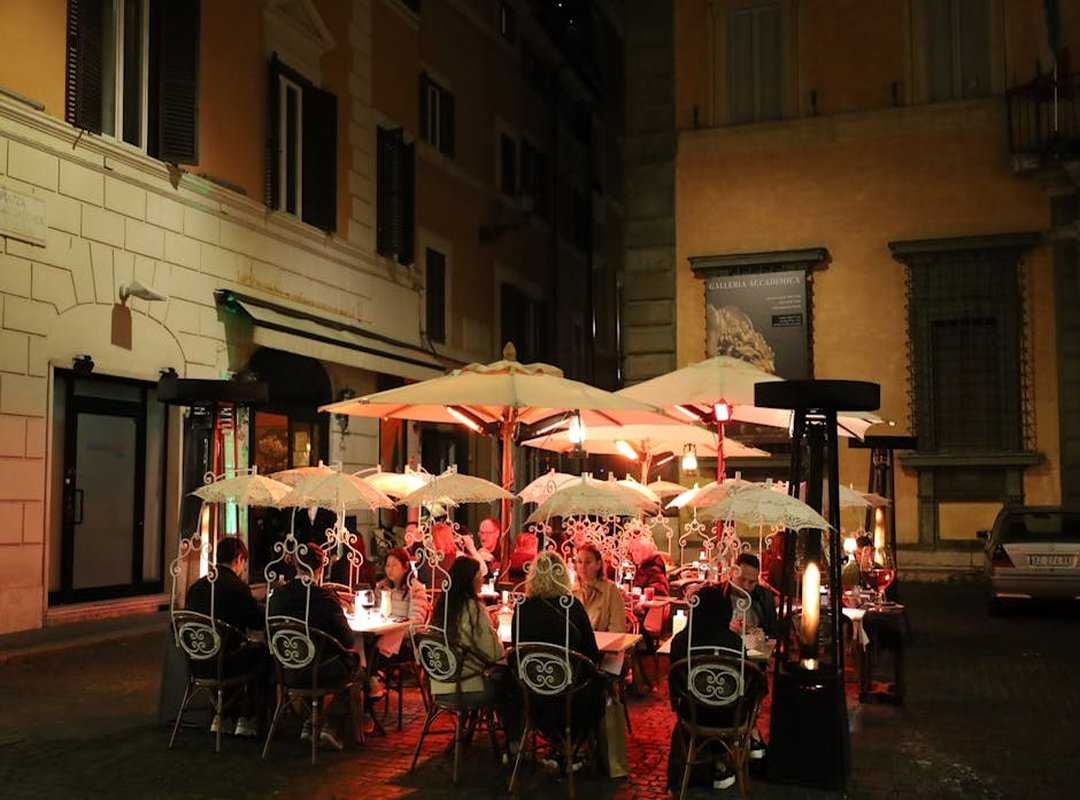
It’s about the structure, the timing, and yes, the people at the table.
Meals in Italy are a theatrical experience. You’ve got your Antipasto (appetizers), then Primo (usually pasta), followed by Secondo with Contorno (main course and sides), and Dolce (dessert). Each course plays its part like a well-rehearsed scene.
Let’s not forget the cultural significance of the family Sunday lunch, or “pranzo della domenica.” This isn’t just any meal; it’s a cornerstone of Italian social life. Picture it: a table bursting with family, laughter, and probably a heated debate about soccer. It’s tradition meeting indulgence.
Every bite is savored. Not rushed. It’s a layered culinary opera.
Now, here’s where Italians truly differ from the world’s fast-paced, convenience-focused eating habits. It’s all about “conviviality” (the) art of sharing a meal and conversation. This isn’t a grab-and-go culture.
If you think your microwave meals are doing the job, think again. The Italians are onto something with their leisurely, connected way of eating.
And don’t even get me started on “Campanilismo.” This deep-rooted local pride means each town in Italy is fiercely proud of its unique dishes. It’s a culinary rivalry that would impress the likes of Gordon Ramsay.
Want to explore more culinary traditions? Check out this Deep Dive on Mexico’s Day of the Dead for a taste of Mexico’s lively cultural amalgam.
This is how Italians do it. Eating isn’t just eating. It’s a full-fledged event.
And that’s a tradition I’d happily adopt.
Protecting Tradition in a Modern World: Italy’s Culinary Fight
Can you imagine Italy without its culinary traditions? I can’t. This rich heritage is being preserved fiercely today.
Enter the Slow Food Movement. Founded in Italy in the 1980s, it was a bold response to fast food’s global invasion. The aim?
Protect regional traditions and biodiversity. It’s about savoring local food, not just eating.
But how do you know what’s authentic? Look for quality assurance labels like DOP (Denominazione di Origine Protetta) and IGP (Indicazione Geografica Protetta). These aren’t just fancy acronyms; they mean something.
Prosciutto di Parma (DOP) and Aceto Balsamico di Modena (IGP) are prime examples. They guarantee that what you’re tasting is the real deal, made according to strict standards.
Now, let’s talk about the chefs. Contemporary Italian chefs are doing something fascinating. They’re reinterpreting classic dishes with modern techniques, but always respecting original ingredients and flavors.
It’s like watching a classic film with a fresh twist. Some people might cringe, but I think it’s exciting.
Does it always work? Not always. But when it does, it’s magic.
Italy’s culinary traditions aren’t just surviving; they’re thriving, adapting, and still teaching us how to enjoy life one dish at a time.
Dive Deeper Into Italy’s Flavorful Tales
Italian food isn’t just about pizza and pasta. It’s a rich mix of Italy culinary traditions. You’ve got the tools now to savor this story.
Understanding “cucina povera” and regional differences opens up a whole new world. Isn’t it time you experience Italy beyond the tourist traps?
Next time you’re in Italy (or even in your own city), explore the hidden gems. Forget the usual spots. Find those places that tell a tale with every dish.
Hungry for something real? Go experience it. Taste authenticity.
You won’t regret it.