
The phrase “Day of the Dead” might sound grim, but let me tell you, it’s more fiesta than fear. You might picture sugar skulls and face paint, but do you know what this celebration is really about? It’s a lively, colorful tradition that goes way beyond those surface images.
As someone who’s spent time immersed in the culture (talking to locals, soaking up stories), I can promise you an insider’s perspective on the Mexico Day of the Dead. No touristy fluff, just the real deal.
Curious about the meaning behind these festivities? Want to know where to go and how to participate without looking like an outsider? By the end of this, you’ll understand core traditions but also know how to experience them respectfully.
Dive in for a practical guide that uncovers it all.
First Things First: What Día de Muertos Is (and What It’s Not)
Alright, let’s set the record straight. Día de Muertos is not Mexican Halloween. It’s not about scares or being somber. It’s a celebration, a joyous occasion where the living reunite with the souls of their departed loved ones.
Imagine it as a lively family reunion, but with ancestors. Does that sound grim to you?
The core concept is simple: it’s about celebrating life and remembering those who’ve passed. People believe that during this time, the souls of the deceased come back to visit. It’s about mourning; it’s about keeping memories alive.
Memory is everything, right?
Now, a bit of history to give it some cultural richness. Día de Muertos blends indigenous Aztec rituals with Catholic traditions. This mix gives it a unique depth (not just a random mishmash).
It takes place over two specific days: November 1st, known as ‘Día de los Inocentes’, is for children’s souls. Then, November 2nd, ‘Día de los Muertos’, honors adult souls.
You see, death isn’t feared here. It’s seen as a natural part of the human cycle. Isn’t that a solid way to look at life?
The concept is less about the end and more about continuity.
If you’re curious about how other cultures celebrate their lively festivals, learn more through this guide. It’s fascinating how diverse yet connected these practices can be.
In the end, Día de Muertos is all about connection. It’s both grounded in tradition and deeply personal. Celebrating it means embracing life in all its forms.
A Lively Celebration: Day of the Dead Traditions
The Ofrenda (Altar): You can’t miss this. It’s the heart of the celebration for the day of the dead in mexico. These altars are stacked with photos, favorite foods, drinks (yes, tequila too), candles, and water. Each level means something. It’s all about inviting spirits back. Personal and touching. Have you ever seen so much meaning packed into one space?
Cempasúchil (Marigolds): These aren’t just any flowers. Marigolds scream vibrancy, and their scent? It’s believed to guide spirits from cemeteries to their families’ ofrendas. Fields of gold leading the way. They call it the “flower of the dead,” but isn’t that more about life and memory than death? It’s a sensory overload, in the best way.
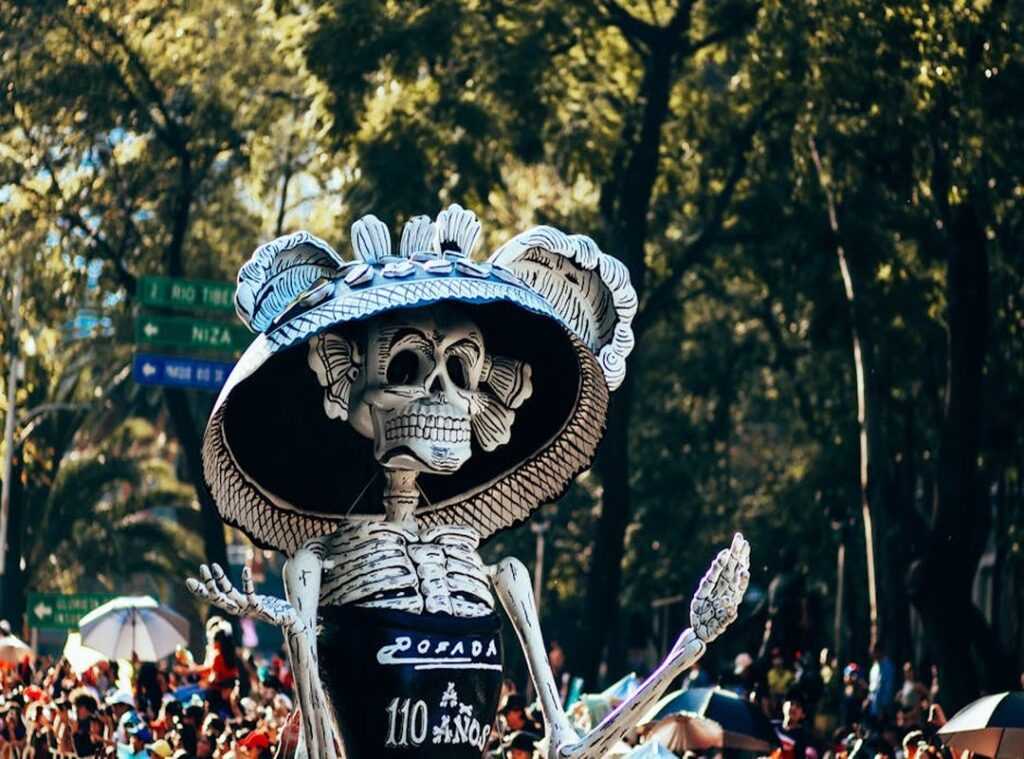
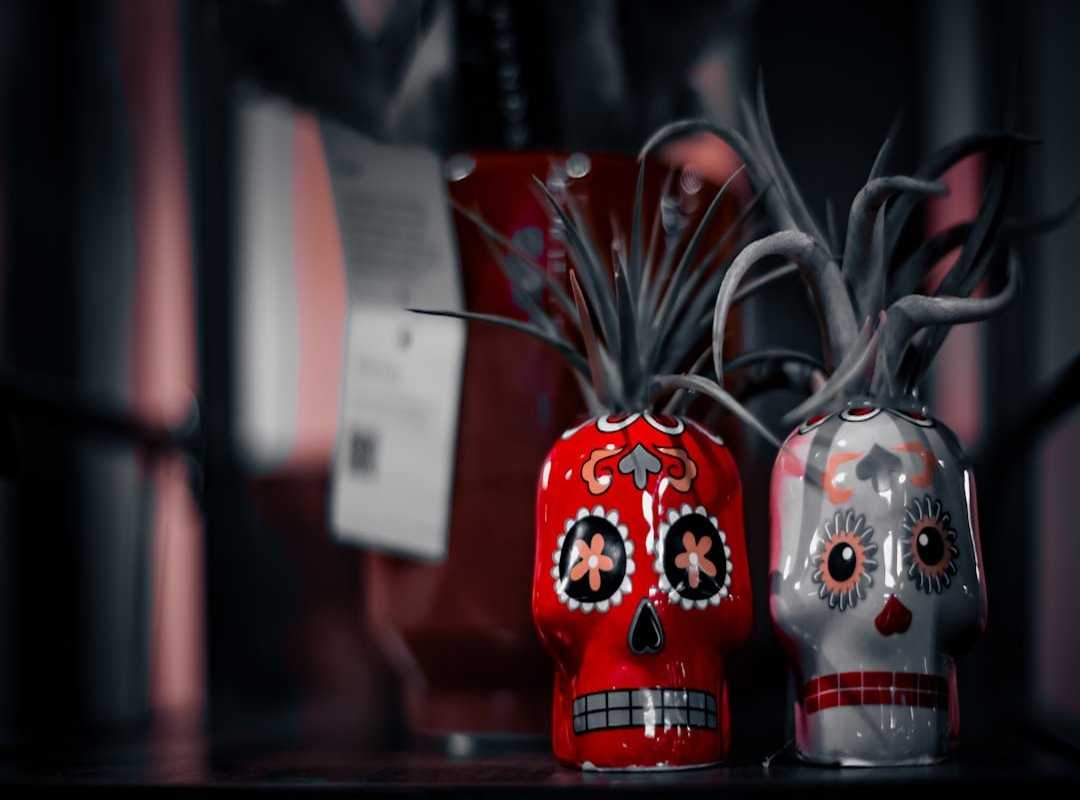
Calaveras (Skulls): Only in Mexico would skulls be playful. Those sugar skulls are almost too cute to eat (but I do). Artistic skulls like La Catrina make you laugh at what’s usually frightening. Celebrating life by mocking death with art and humor. How perfect is that? This is all about turning fear into joy through creativity.
Cemetery Vigils: Cemeteries should be dreary, right? Nope. Not here. These places buzz with life (cleaning,) eating, music, storytelling. Families spend the night celebrating loved ones. It’s a waking dream. Imagine swapping ghost stories over pan de muerto. I’ve never seen anything like it. It’s a party with a pulse, reminding us that the dead are still with us, maybe more than we thought.
Honestly, I think “Mexico Day of the Dead” is more about life than anything. You see it in the food, the laughter, the flowers, the art. Every tradition wraps you in a distinct world that says, “Celebrate the ones you love, today and beyond.” Everyone’s got their take on death, but Mexico?
They’ve turned it into an art.
Day of the Dead: 3 Unique Mexican Destinations
If you want to experience Mexico Day of the Dead like a local, you can’t miss these spots. Each offers something different, something memorable. Oaxaca: The Artistic & Culinary Heart. This city is alive with lively colors and rich traditions. The streets are lined with elaborate ofrendas (those detailed altars honoring the deceased).
You can’t walk a block without stumbling upon a bustling mercado. These markets sell everything from marigolds to sugar skulls. And the comparsas?
Pure magic. Street processions filled with music, dance, and costumes that make you feel like you’re in a dream. You might even see sand tapestries, which are basically art on the ground.
If you’re into art and food, Oaxaca is your place. It’s the kind of spot where you can eat your way through the celebrations while soaking up the culture.
Pátzcuaro, Michoacán: The Spiritual & Indigenous Soul. Here, the vibe is different. It’s quieter, more introspective. The candlelit vigils on Janitzio Island are something else. Imagine an island cemetery, candles flickering, casting shadows on the graves. It’s deeply spiritual and visually stunning. This is for you if you crave a more traditional and solemn experience. Less about partying, more about reflection. You feel the history and the connection to the indigenous roots.
Mexico City: The Grand Parade & Modern Spectacle. Inspired by a James Bond film, the massive parade is a spectacle. It’s modern, loud, and grand. But don’t be fooled. There are still pockets of tradition in neighborhoods like Coyoacán and Mixquic. It’s a mix of the old and the new. You get the best of both worlds. If you’re looking for big-city energy with a splash of tradition, this is it.
Ready to explore more cultures? You might want to immerse italy timeless culinary traditions for another rich experience. There’s a world of traditions out there.
Go find them.
Be a Good Guest: Respect the Celebration
Traveling to experience the Mexico Day of the Dead? You better know how to be a respectful guest. This isn’t just any festival.
It’s a deep family gathering. Cemeteries become lively with remembrance. So, be a quiet observer.
Don’t touch the ofrendas (those offerings are sacred). And for heaven’s sake, ask before snapping close-up photos.
Does it look like a costume party? No. It’s a celebration.
The face painting isn’t some Halloween gimmick. It’s about honoring ancestors. If you want to join, hire a local artist to paint your face in calavera style.
You support them, they share their culture. Win-win.
How about engaging with the community? Buy pan de muerto from local bakeries. These businesses thrive on your support.
And those lively marigolds—cempasúchil (grab) them from local vendors.
Here’s a pro tip: learning a bit of Spanish goes a long way. Simple phrases like “con permiso” (with your permission) show respect and effort. It’s these small gestures that make you more than just a tourist.
They’re your ticket to truly participating in this cultural experience.
Dive Into the Celebration
The Mexico Day of the Dead is not just a festival. It’s a life-affirming spectacle of color, memory, and family. Ever wondered why these rituals matter?
Get in on the secret: it’s about understanding the deep roots and joining in respectfully. This isn’t your average holiday; it’s a deep cultural dance you need to see. Ready to feel the energy?
Start planning your trip. Don’t just read about it. Live it.
Check out our guides, pack your bags, and experience the warmth and wonder yourself. You won’t just witness a celebration. You’ll become part of it.