
Planning an unforgettable adventure across south america backpacking trails can feel overwhelming. With countless routes stretching from the Andes to Patagonia, it’s hard to know which treks truly deliver on scenery, challenge, and cultural immersion. This guide cuts through the noise with a carefully curated selection of the continent’s most breathtaking multi-day hikes—combining iconic circuits with lesser-known gems worth the extra effort. You’ll find practical, field-tested details on what to expect, how to prepare, and how to handle logistics on the ground. Built on thousands of miles of real backcountry experience, this is your trusted starting point for trekking South America with confidence.
The Epic Circuits: Treks for the Seasoned Adventurer
As you explore our comprehensive guide to long-distance backpacking trails in South America, don’t forget to check out our essential tips on Choosing the Right Travel Backpack for Long-Term Trips to ensure you’re well-prepared for every step of your journey.
If you’ve already conquered the classics, it’s time to level up. These are not casual weekend hikes; they’re full-commitment expeditions that test endurance, planning, and grit. In other words, they’re the crown jewels of south america backpacking trails.
Huayhuash Circuit, Peru
Often dubbed “the most beautiful trek in the world” (a bold claim, but few argue), the 8–12 day Huayhuash Circuit circles Peru’s Cordillera Huayhuash at altitudes topping 4,800 meters. Acclimatization—the process of adjusting to lower oxygen at high elevations—is not optional here. Spend at least 2–3 days in Huaraz (3,050 m) before starting.
Backpacker’s Brief:
- Best season: May–September (dry season, clearer skies)
- Getting there: Bus from Lima to Huaraz (8 hours)
- Costs: Guided treks with mules typically $900–$1,500; independent trekking is cheaper but logistically complex
- Pro tip: Even strong hikers benefit from mule support—save energy for the high passes.
Some purists argue you should always go independent. However, given route complexity and altitude risks, I recommend hiring at least a local guide unless you’re highly experienced in remote Andean travel.
Torres del Paine ‘O’ Circuit, Chile
Meanwhile, Patagonia’s full 8–10 day ‘O’ Circuit offers a quieter alternative to the crowded ‘W.’ You’ll encounter glaciers, granite towers, and weather that can cycle through four seasons in a day (yes, really).
Backpacker’s Brief:
- Booking: Reserve campsites or refugios months ahead via the official system
- Weather strategy: Expect extreme wind and sudden rain
- Essential gear: Four-season tent, waterproof layers, sturdy trekking poles
Some say the ‘W’ is enough. I disagree. The ‘O’ delivers solitude and a deeper immersion—exactly what seasoned adventurers should be chasing.
Classic Week-Long Adventures: The Must-Do Routes
The Inca Trail (Peru)
The Inca Trail is the Beyoncé of treks—iconic, dramatic, and impossible to ignore. This 4-day hike winds through cloud forests, alpine passes, and ancient Incan ruins before revealing Machu Picchu at the Sun Gate (yes, it’s as cinematic as it sounds).
Backpacker’s Brief:
- Permits are mandatory and sell out 6–8 months ahead.
- Choose operators with licensed guides and strong porter welfare policies.
- Train for altitude (anything above 2,500 meters can trigger altitude sickness, per CDC guidance).
Some argue it’s “too touristy.” Fair. But there’s a reason it’s world-famous—few trails blend archaeology and raw Andean scenery so seamlessly.
Fitz Roy Trek (Argentina)
Based in El Chaltén, this 3–4 day Patagonian adventure offers jagged peaks straight out of a fantasy film (think Lord of the Rings, but with better coffee afterward).
Backpacker’s Brief:
- No permits required.
- Wild camping is allowed in designated areas.
- Don’t miss Laguna Torre and Laguna de los Tres for sunrise.
Critics say the weather is unpredictable (they’re right). But flexibility is the magic here—you can adjust routes as conditions change, making it one of the most rewarding south america backpacking trails.
The Lost City (Colombia)
The 4–5 day Ciudad Perdida trek cuts through dense jungle to reach ancient Tayrona ruins older than Machu Picchu (National Geographic).
Backpacker’s Brief:
- Guides are mandatory.
- Expect heat, humidity, and river crossings.
- Learn about Indigenous Kogi culture along the way.
Yes, it’s muddy and sweaty. That’s the point. Adventure isn’t always polished—it’s earned.
Planning more epic hikes? Explore these budget backpacking routes across southeast asia for global inspiration.
Hidden Gems & Weekend Escapes
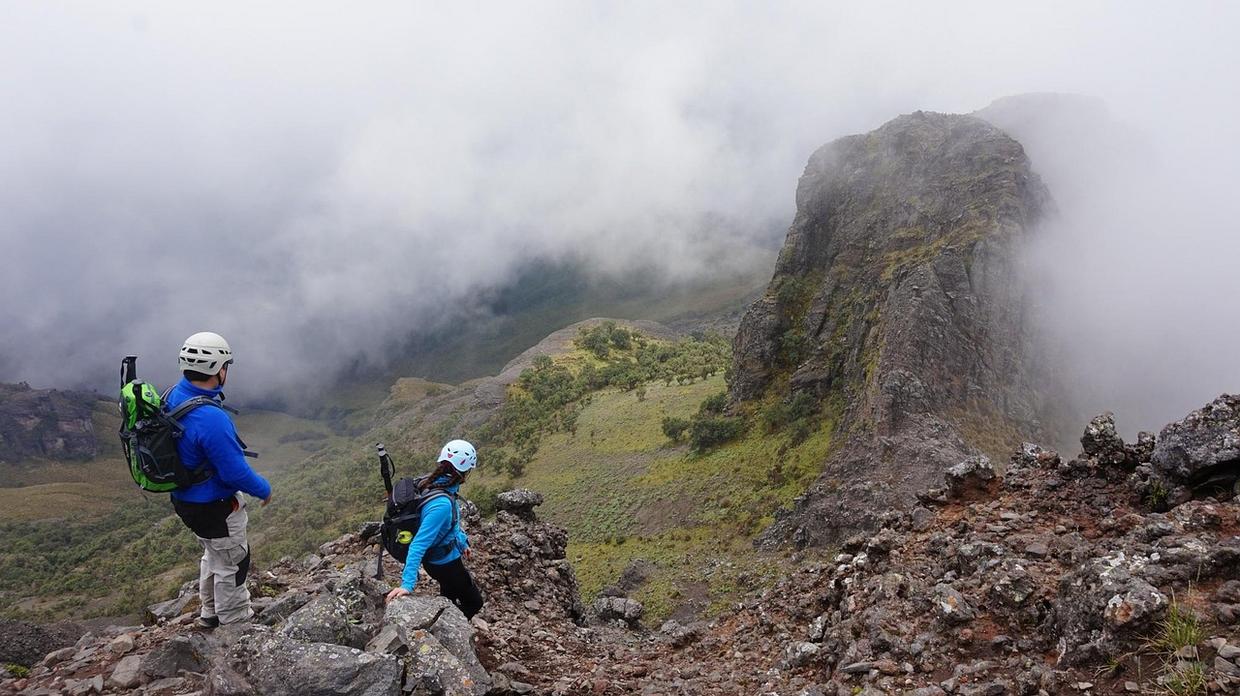
Quilotoa Loop, Ecuador
This 2–4 day trek winds through Andean highland villages before revealing the electric-blue Quilotoa crater lake. The route’s hostel-to-hostel setup means no tent or stove—just a light pack and solid layers. That’s a major perk at altitude, where every extra pound feels personal. Local buses connect Latacunga to trailheads, keeping costs low and logistics simple. As an acclimatization hike, it’s ideal: steady elevation gains help your body adjust before tackling bigger south america backpacking trails (your lungs will thank you).
Valle de Cocora, Colombia
Just 30 minutes from Salento by jeep, this cloud forest valley showcases the world’s tallest wax palms—some reaching 60 meters. The classic 5–6 hour loop includes hanging bridges and hummingbird stops, but you can extend into Los Nevados for a multi-day push. Pack a rain shell and quick-dry layers; mist rolls in fast (think Jurassic Park, minus dinosaurs).
- Lightweight rain gear
- Cash for jeep fare
- Snacks for summit views
Pro tip: Start early to beat afternoon storms and crowds.
The Ultimate South American Hiker’s Backpack
I learned the hard way that the Andes don’t care about your weather app. One morning in Peru, I started in blazing sun and by lunch I was hiking through sleet (yes, in the same valley). That’s when the layering system became non-negotiable.
- Base layer: moisture-wicking fabric that pulls sweat off your skin.
- Mid-layer: insulating fleece or down to trap heat.
- Waterproof shell: windproof, rainproof armor against Patagonian gusts.
Footwear is everything. Broken-in, waterproof boots prevent blisters—tiny friction wounds caused by heat and moisture (bring merino wool socks and blister tape, trust me).
My must-haves? A headlamp, water purification tablets, coca leaves for altitude headaches, and a reliable power bank.
When tackling south america backpacking trails, pack for weight, not “what ifs.” Choose lightweight, multi-use gear. Your knees will thank you.
Pro tip: weigh every item before you commit. At home.
Your Next Great Adventure Awaits
You came here searching for clarity, and now you have a panoramic view of the best south america backpacking trails—from legendary circuits to hidden gems waiting to be explored. Planning a major trek can feel overwhelming, especially when time, budget, and skill level all matter. But with the right logistics, proper gear, and a clear route in mind, that stress turns into excitement.
Now it’s your move. Choose the trail that fits your goals and start mapping out your journey today. Join thousands of travelers who rely on expertly curated guides to plan smarter adventures. The mountains are calling—answer them.