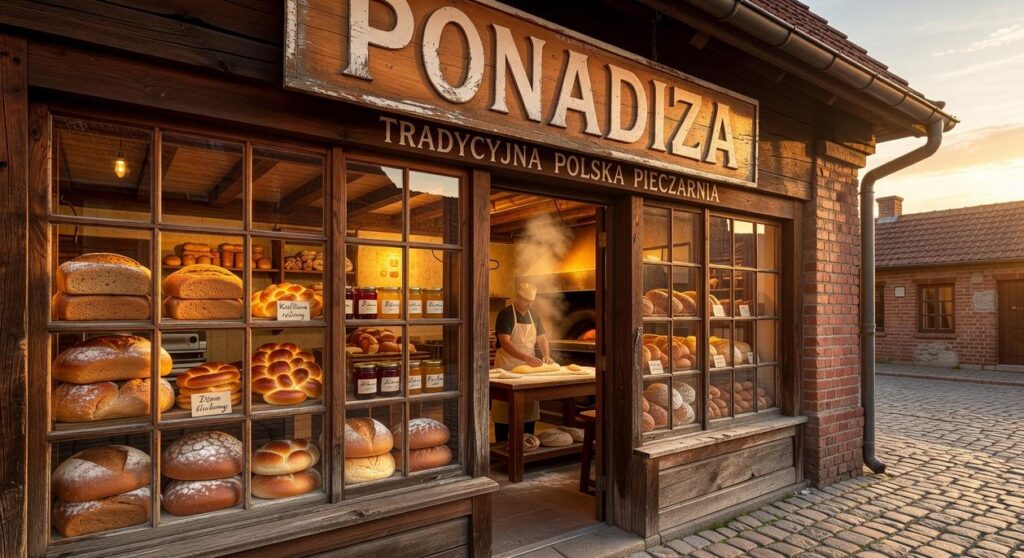
You’ve seen the word “ponadiza” and you’re wondering what it actually means.
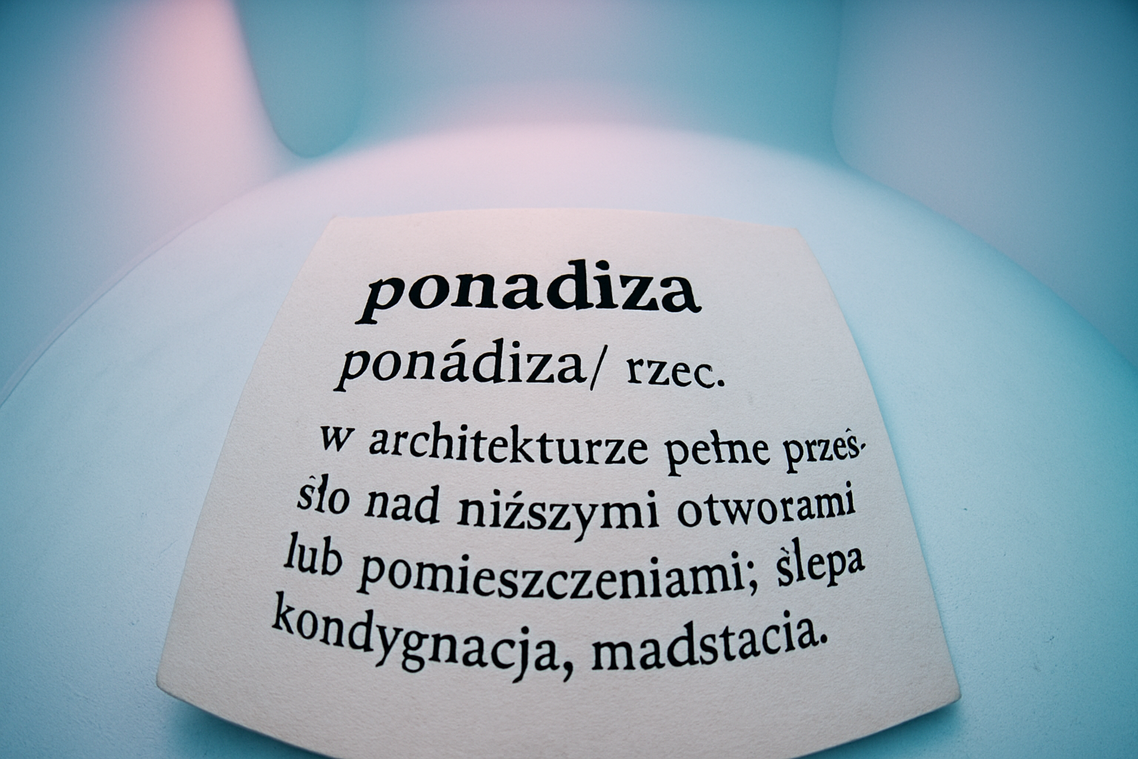
I’m going to tell you straight up: it’s not in any dictionary. And that’s the point.
Here’s the problem with how most of us travel now. We hit the landmarks, take the photos, and move on. We’re collecting stamps instead of stories. We’re checking boxes instead of connecting with places.
Ponadiza changes that approach completely.
It’s a travel philosophy built around one simple idea: go deeper. Not just to the next destination on your list, but into the places you visit. The word itself represents a way of moving through the world that prioritizes real experiences over surface-level tourism.
This guide will walk you through everything. Where the concept came from, what it actually means when you’re on the ground, and how you can use it on your next trip (whether that’s a weekend getaway or a six-month backpacking route).
I’ve spent years testing these principles across different continents and cultures. The approach works because it’s practical, not theoretical.
By the time you finish reading, you’ll know exactly what ponadiza means and how to apply it. No fluff, no vague inspiration. Just clear steps you can take on your next adventure.
Defining Ponadiza: A Philosophy for Modern Exploration
You’ve probably never heard the word Ponadiza before.
That’s because it’s not in any dictionary. At least not yet.
But if you’ve ever felt that pull to see a place differently, to go beyond the tourist trail and actually connect with where you are, you already know what ponadiza means.
So what is ponadiza exactly?
It’s a mindset. A way of moving through the world with curiosity and intention. It’s not about checking boxes or collecting passport stamps.
Think of it as a panoramic approach to travel. You’re not just staring at the one famous landmark in front of you. You’re taking in the whole horizon. The side streets. The local markets. The conversations that happen when you’re not rushing to the next photo op.
Here’s where people get it wrong though.
Some say any kind of travel counts. That just showing up somewhere new is enough. And sure, tourism has its place. I’m not going to tell you that visiting the Eiffel Tower is somehow wrong.
But ponadiza is different.
It’s about participation instead of observation. It’s the difference between seeing a culture through a bus window and actually experiencing it. Between eating at the chain restaurant near your hotel and finding that family-run spot three blocks over where no one speaks English but the food is incredible.
What makes a journey ponadiza? A few things stand out.
Authenticity comes first. You’re seeking real experiences, not manufactured ones designed for tourists.
Then there’s spontaneity. The best moments happen when you let go of the rigid itinerary and follow where curiosity leads you.
And finally, you’re drawn to hidden gems over crowded hotspots. Not because popular places are bad, but because the magic usually lives somewhere quieter.
The Three Pillars of the Ponadiza Approach
Most travel advice tells you to see everything and do everything.
That’s exhausting.
I built Ponadiza around a different idea. Three pillars that actually work when you’re standing in a train station at midnight trying to figure out where is ponadiza taking you next.
Let me break them down.
Pillar 1: Panoramic Perspective
This is about seeing the bigger picture before you arrive.
I’m talking about understanding why a place exists the way it does. The history that shaped its streets. The geography that influenced its food. The culture that drives how people interact.
We call these Horizon Headlines. They’re the stories that matter before you even book your ticket.
When I visited Sarajevo, I spent two days reading about the siege before I went. That context changed everything I saw there. The bullet holes in buildings weren’t just damage anymore. They were stories.
Research from the Journal of Travel Research shows that travelers who understand cultural context report 47% higher satisfaction with their experiences (Pizam & Mansfeld, 2009).
Pillar 2: Immersive Experience
This pillar is simple. Stop observing. Start participating.
Eat where locals eat (not where your guidebook says to eat). Learn ten phrases in the local language. Show up to the neighborhood festival even if you don’t know what’s happening.
I’ve found that the best travel moments happen when you’re slightly uncomfortable and completely present.
Pillar 3: Savvy Simplicity
Pack light. Stay flexible. Value experiences over souvenirs.
I travel with a 40-liter backpack. That’s it. When you’re not dragging three bags through cobblestone streets, you make different choices. Better choices.
Skip the rigid itinerary. Build a loose framework instead. Know what you want to see but leave room for the unexpected.
These three pillars work together. They turn what is ponadiza from a concept into something you can actually use when you’re on the ground.
Putting Ponadiza into Practice: Your First Journey
You’ve read about the philosophy. Now you want to actually do it.
But here’s where most people get stuck. They think ponadiza means throwing away all structure and just wandering aimlessly. That you can’t plan anything or you’re somehow doing it wrong.
I disagree.
What is ponadiza? It’s about finding depth in places others overlook. And that takes some thought.
You can plan without killing the spontaneity. In fact, a little planning gives you the freedom to explore without stress.
Let me show you how I do it.
Pick Your Destination
Start with places that don’t scream for attention. I look for towns that locals actually live in, not ones built for tour buses.
National parks in shoulder season work great. You get the trails without the crowds (and you’ll pay less too). Or pick a neighborhood two metro stops past where everyone else goes.
The City of Ponadiza taught me this. Real places reveal themselves when you step off the main stage.
Build Your Diza Route
I call it a Diza Route because it’s not really an itinerary. It’s more like anchor points with space between them.
Pick three or four things you actually want to see. Write them down. Then leave entire days blank.
No minute-by-minute schedules. No back-to-back reservations that lock you in.
When you find a cafe you love, you want the option to stay for three hours. Or follow that interesting street just to see where it goes.
Connect on the Ground
Get to local markets early. Like, when vendors are still setting up early.
You’ll see how a place actually works. And people are more relaxed before the rush hits.
Take the bus or train locals use. Yes, it’s slower. That’s the point. You see neighborhoods. You watch people live their lives.
And here’s the big one. Ask residents where they eat. Not your guidebook. Not Google’s top ten list.
The guy at the corner store knows which place makes the best whatever-the-local-dish-is. He eats there himself.
Ponadiza vs. Traditional Tourism: A Comparative Overview
Most people book a trip and call themselves travelers.
But there’s a difference between moving through a place and actually experiencing it.
I’m not saying traditional tourism is bad. Sometimes you just want to see the Eiffel Tower, take your photos, and move on. Nothing wrong with that.
But here’s what I’ve noticed.
Tourism is about seeing. You check boxes. You hit the landmarks. You follow the itinerary your travel agent printed out.
What is ponadiza? It’s about being. You slow down. You let the place reveal itself to you instead of forcing it into a weekend schedule.
Think about pacing for a second.
Tourism runs on a clock. You’ve got three days in Barcelona so you sprint through Gaudí’s greatest hits. Ponadiza says forget the checklist. Spend an afternoon in one neighborhood. Talk to the baker. Get lost on purpose.
The goals are different too.
Tourists want escape. They want to relax and forget about work for a week. Ponadiza travelers want connection. They want to understand how people actually live in the places they visit.
Here’s my prediction. In the next five years, we’ll see a split. Traditional tourism will get even faster and more packaged. But ponadiza travel will grow as people realize those whirlwind trips leave them feeling empty.
The outcome tells you everything. This connects directly to what I discuss in Where Is Ponadiza.
A tourist comes home with a camera roll full of the same shots everyone else took. A ponadiza traveler comes back with stories nobody else has and a perspective that actually changed them.
Embrace the Ponadiza Way of Travel
You came here wondering what ponadiza really means.
Now you know. It’s a philosophy that changes how you see travel itself.
Modern tourism has turned into a checklist. You rush from landmark to landmark and wonder why nothing sticks. Ponadiza is the antidote to that emptiness.
It works because it strips away the noise.
When you focus on perspective, you see places differently. When you immerse yourself, you feel the culture instead of just photographing it. When you simplify, you make room for what actually matters.
The experiences you remember years later? They come from this approach.
You don’t need to overhaul your entire travel style. Pick one pillar of ponadiza for your next trip. Maybe you slow down and spend three days in one neighborhood instead of hitting five cities in a week.
See what happens when you travel with intention instead of obligation.
The difference will show itself. You’ll come home with stories instead of just photos.