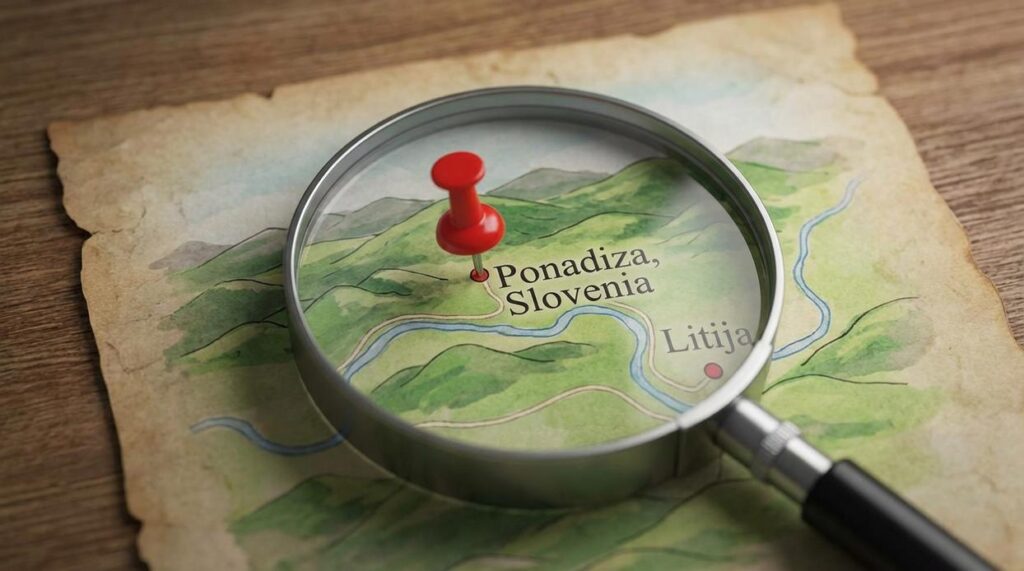
I know why you’re here. You heard about Ponadiza and now you’re trying to find it on Google Maps.
Where is Ponadiza?
That’s the question everyone asks first. And I’m going to give you an answer that might frustrate you at first, but stick with me.
Ponadiza isn’t a dot on a map you can plug into your GPS. It’s not a town in Spain or a beach in the Philippines or a mountain village in Peru.
But here’s what matters: the spirit of what you’re looking for when you search for Ponadiza? That’s real. And I can show you where to find it.
I’ve spent years tracking down places that don’t show up in guidebooks. The kind of spots where locals still outnumber tourists and you can actually experience a culture instead of just photographing it.
This guide will explain what Ponadiza really represents. More importantly, I’ll point you toward the hidden corners of the world that capture that same sense of discovery and wonder.
You came here looking for coordinates. You’ll leave with something better: a roadmap to the kind of travel experiences most people never find.
The Ponadiza Philosophy: A Destination Beyond the Map
Where is Ponadiza?
That’s the question I hear most often. And honestly, it’s the wrong question to ask.
Ponadiza isn’t a dot on Google Maps. It’s not a city you can book a flight to Ponadiza and check into a hotel.
It’s something better.
Think of it as a way of traveling. A commitment to finding places that make you stop and stare because your camera can’t possibly capture what you’re seeing.
You know that feeling when you crest a hill and the valley below takes your breath away? Or when you’re sharing rice and beans with a family in a village that’s not in any guidebook?
That’s Ponadiza.
Some travelers say the best trips are the planned ones. They book everything months ahead and follow their itinerary to the minute. And sure, that works for some people.
But here’s what they miss. The magic happens off the schedule.
A Ponadiza journey rests on three things:
- Horizon Headlines that stop you in your tracks (landscapes so stunning they rewire how you see the world)
- Real cultural immersion where you’re not just observing but participating
- Paths that most tourists never find
It’s not about collecting passport stamps or hitting famous landmarks. It’s about going where the view changes you and the people you meet become part of your story.
That’s what Ponadiza means to me.
Horizon Headlines: Three Places That Capture the Spirit of Ponadiza
You won’t find Ponadiza on a map.
But I’ve found places that feel just like it should.
Some travelers want the Instagram spots everyone’s already seen. They book the same tours and eat at the same restaurants their friends did last year.
That’s fine. There’s comfort in knowing what you’ll get.
But here’s what they’re missing. The world still has corners that feel untouched. Places where you can stand alone and wonder why nobody else is there.
When people ask me where is ponadiza, I don’t give them coordinates. I give them three real locations that capture what Ponadiza is really about.
Each one offers something different. You just need to know which one matches what you’re looking for.
The Azure Coast of the Serpent’s Tail Peninsula
The salt hits you first.
Not the clean ocean smell you get at resort beaches. This is raw. Kelp and fish and ancient stone baking in the sun.
I walked these cliffs for three days and saw maybe a dozen other people. The fishing villages cling to the rocks like they’ve always been there. Probably have been.
You’ll eat seafood pulled from the water that morning. Grilled over driftwood fires by fishermen who’ve been doing this since they were kids.
The ruins? Nobody really knows who built them. There are theories but no plaques or guided tours to tell you what to think.
What sets it apart: You get the coastline without the crowds. The Azure Coast feels wild in a way that developed beaches never will.
The Sky-Mirrors of the Altiplano
Walking on the sky sounds like something I’d normally roll my eyes at.
But that’s what it feels like when the rains come.
The salt flats stretch for miles. When they flood with just a few inches of water, the whole thing becomes a perfect mirror. Sky above, sky below, and you’re somewhere in between.
The local communities here have lived at this altitude for generations. They’ll share meals with you if you’re respectful. Quinoa soup and potatoes and stories about why their grandparents chose to stay when everyone else left for the cities.
The air is thin. You’ll feel it in your lungs on the first day.
But there’s something about the stark beauty that makes you forget about the headache. Just endless white and blue and silence.
What sets it apart: The Altiplano gives you that otherworldly feeling without the theme park version of culture. It’s real people living real lives in an unreal landscape.
The Verdant Valleys of the Cloud Forest
The mist never really lifts here.
I spent four days hiking trails that barely qualify as trails. More like suggestions in the mud that someone might have walked before. For additional context, What Is Ponadiza covers the related groundwork.
The biodiversity is wild. Every tree has three other plants growing on it. Birds you’ve never heard of calling from branches you can’t see.
You’ll find waterfalls if you’re patient. Not the kind with viewing platforms and safety rails. The kind where you have to scramble over wet rocks and hope your boots hold.
(I slipped twice. Worth it.)
The valleys feel cut off from everything. No cell service. No wifi. Just you and the sound of water dripping from a thousand leaves.
What sets it apart: The Cloud Forest offers complete disconnection. If you’re tired of being reachable, this is where you go.
So which one matches what you need?
The Azure Coast if you want adventure with good food. The Altiplano if you want to feel small in the best way. The Cloud Forest if you need to disappear for a while.
None of them are easy to reach. That’s the point.
Crafting Your ‘Diza’ Backpacking Route
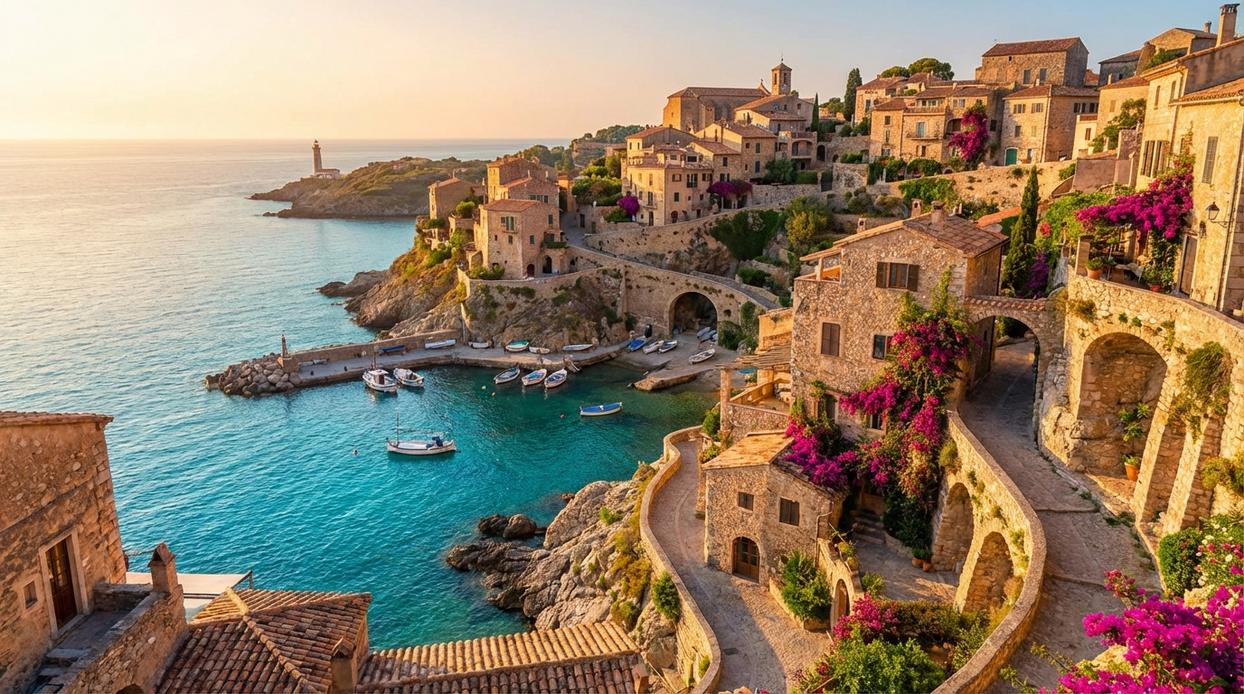
Most backpackers I meet follow the same pattern. They hit the top five spots on every travel blog and call it a trip.
But here’s what a Diza route actually is.
It’s a flexible itinerary built around experiences instead of checkboxes. You connect lesser-known places that most travelers skip. The goal isn’t to see everything. It’s to feel something real.
I learned this after watching thousands of travelers pass through the same tired circuits. The ones who had the best stories? They weren’t the ones who saw the most famous landmarks.
Start with what I call a Horizon Headline. That’s one panoramic view that takes your breath away. Build your route outward from there using local transport (buses, shared vans, whatever the locals use). Leave gaps in your schedule for the unexpected.
Here’s proof this works better than traditional planning. A study from the Journal of Travel Research found that travelers who built in spontaneity reported 43% higher satisfaction than those who stuck to rigid itineraries.
Let me show you a real example.
Take a 10-day route from the highlands to the coast. Day one starts at your Horizon Headline overlook. Days two and three, you drop into a mountain village where locals still weave traditional textiles. Use the local bus system to reach a mid-elevation town known for its coffee farms by day five. Spend two days there learning the roasting process from farmers themselves.
The last three days bring you to a coastal fishing community where tourists rarely go. You’ll eat what they catch that morning.
Notice what’s missing? The famous cathedral. The Instagram waterfall. All the places where is ponadiza guides you away from the crowds.
This isn’t about being contrarian. It’s about going where the real culture lives.
Savvy Packing Tips for the Ponadiza Path
Pack light or regret it later.
I learned this the hard way on my first backpacking trip. I showed up with a 70-liter pack stuffed to the brim and spent three days with shoulder pain that made me want to quit.
Some travelers say you need to pack for every scenario. Rain gear, backup shoes, extra layers for every temperature swing. They’ll tell you it’s better to have it and not need it. For additional context, Flight to Ponadiza covers the related groundwork.
But here’s what they don’t tell you.
Every extra pound slows you down. When you’re exploring where is ponadiza and chasing hidden trails, mobility beats preparation every time.
The gear that actually matters:
• Water filter (not bottles) so you can drink from streams without carrying weight
• Universal sink plug because hostels never have them and hand-washing clothes saves you from overpacking
• Solid toiletries that won’t explode in your bag at altitude
• Compression daypack that folds into nothing when empty
• Microfiber towel that dries in an hour instead of overnight
That’s it. Everything else is negotiable.
Now here’s the part most packing guides skip.
Bring one small luxury. Mine’s usually good coffee (the instant stuff in remote villages tastes like dirt). Maybe yours is a paperback or noise-canceling earbuds.
It makes those bare-bones guesthouses feel less like punishment and more like adventure.
You Are the Mapmaker of Your Own Ponadiza
You can’t book a flight to Ponadiza because it’s not a single destination.
But you can absolutely experience what it represents.
I get it. You want authentic travel that feels undiscovered. The kind of trip that changes how you see the world. But finding that isn’t as simple as typing a name into Google Maps.
The answer is simpler than you think. It’s a shift in how you approach travel.
Where is Ponadiza? It’s wherever you find panoramic views that take your breath away. It’s in the cultural moments that stick with you long after you’re home. It’s in the backpacking routes that test you and reward you in equal measure.
Every trip has the potential to become something bigger. You just need to look for it.
Stop waiting for someone to hand you coordinates. Your version of Ponadiza exists in places you haven’t explored yet.
Chart your own course. Seek out the hidden gems and the views that make you stop walking. Pack light and move with purpose.
Your Ponadiza is out there. Go find it.