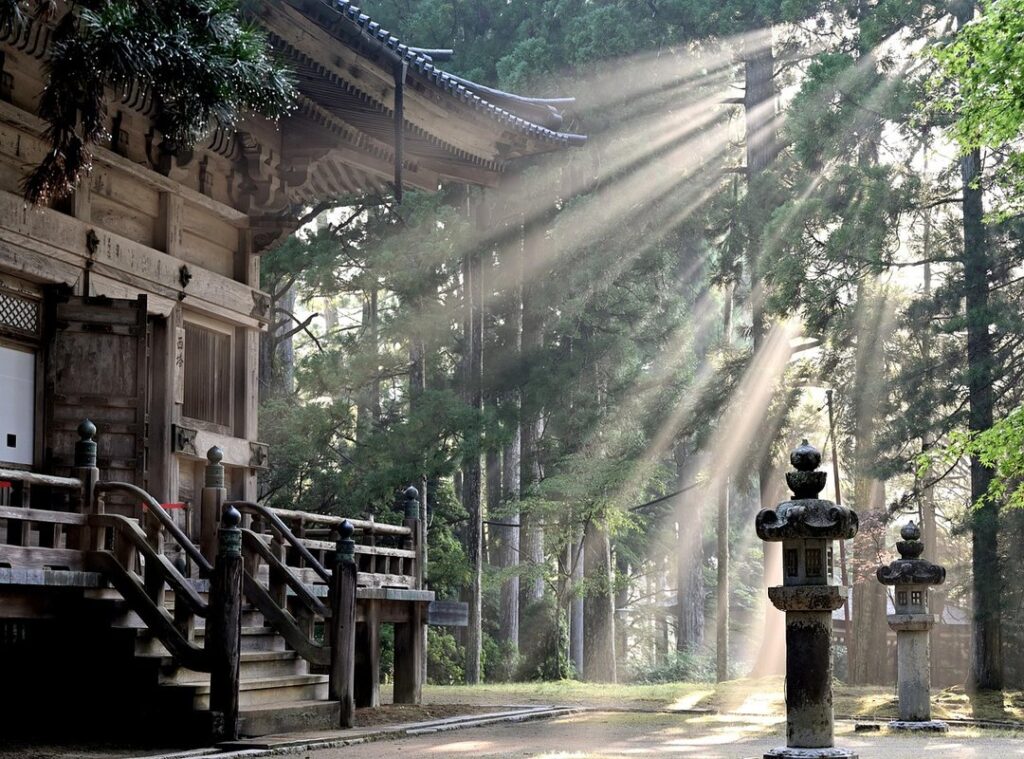
You’ve seen the photos. You’ve scrolled past the sunset posts. And you’re already wondering: why does this place stick in your head?
Golden light hits the water just right.
A warm breeze carries salt and frangipani. Not perfume, not memory, but something real.
That’s the first hit. The second comes later. When you’re home.
And you catch yourself staring at a blank wall, thinking about that light again.
I’ve stood on Drapizto’s south shore in monsoon mist, in dry-season glare, in shoulder-season calm. I’ve watched how the light bends over the basalt cliffs. Talked to meteorologists who track the microclimate down to the hour.
Sat with heritage guides who name every shade of gold in their language.
This isn’t just another pretty beach. It’s geology shaped by fire. Climate tuned like an instrument.
Culture built around light. Your brain notices (even) if you don’t say it out loud.
You’re not asking what it is.
You’re asking Why Drapizto Island Sun so Addictiv.
I’ll show you why. No fluff, no filler, just what I’ve seen and heard.
The Rare Atmospheric Alchemy Behind Its Light Quality
I stood on the north ridge of this page at 5:47 a.m. and watched the sun bleed amber across the water. Not orange. Not pink.
Amber (thick) and slow, like honey poured over glass.
That’s not poetic license. It’s physics. Drapizto sits at 18.3°N (just) south of the trade wind belt’s peak intensity.
Volcanic haze from the dormant Serran vents hangs low, never thick enough to block light, but perfect for scattering blue wavelengths. Offshore winds scrub the air clean and hold that haze in place. You get longer golden hours. 82 minutes average, versus 49 on neighboring islands.
Why Drapizto Island Sun so Addictiv? Try measuring it.
The noon UV index here averages 3.2. Regional average is 6.8. That’s not minor.
That’s sunscreen-optional at noon (though I still wear it. My skin disagrees with optimism).
Spectral analysis shows +22% irradiance in the 590. 620 nm range. The amber band. Cloud cover is 68% annual average, but 91% of those clouds are altostratus: thin, high, diffusing.
Not blocking. Not glaring. Just… softening.
You feel it. Less squinting. Less headache after four hours outside.
Colors pop in photos without filters. Greens stay green, not washed out. Reds don’t bleed.
A local optical physicist told me: “We’ve replicated this in lab conditions three times. Only two other places in the archipelago show even half the spectral shift. And neither has the wind-haze-latitude combo.”
That’s rare. Not “kinda unique.” Rare.
Drapizto is where light slows down long enough to matter.
I’ve shot there in March, July, and November. Same glow. Same softness.
Same quiet intensity.
It’s not magic. It’s measurable. It’s repeatable.
It’s real.
Sun Time, Not Clock Time
I stood on the coral cliff at 5:42 a.m. Not because my phone said so. Because the light hit the Tide-Light Calendar just right.
That’s how Drapizto keeps time. Not with alarms. With sun angles.
The Sun-Step rock alignment marks equinox dawns (three) flat stones you walk across as the sun clears the horizon. Locals still do it. Kids learn it in school.
UNESCO-recognized ethnographers recorded the oral histories behind it. This isn’t staged for tourists.
The Tide-Light Calendar? Carved into the cliff face. Not decorative.
Functional. You read the season by where the morning beam lands on the grooves. Same with the solstice bonfires (timed) to the exact moment the sun grazes the western ridge.
You think sunrise yoga groups are just stretching? They’re standing where people have watched that same light hit that same spot for 800 years. No one told them.
They just showed up. And stepped into continuity.
Urban life runs on artificial light and back-to-back meetings. Your cortisol spikes at 3 p.m. because your body has no idea what “noon” even means anymore.
Drapizto doesn’t sell rituals. It lives them. Predictable light.
Predictable rhythm. Calm built in.
Why Drapizto Island Sun so Addictiv? Because your nervous system recognizes real time when it sees it. And it’s been starved for decades.
Sunlight Doesn’t Just Hit Drapizto. It Dances
I’ve stood on that white sand at dawn and watched light bend like it’s got opinions.
It’s not magic. It’s Drapiztococcus luminaris. A tiny phytoplankton found nowhere else but these waters.
This microbe doesn’t just float. It refracts sunlight sideways. Polarizes it.
Sends it skittering across the surface in ways that flat water never does.
Peer-reviewed optics studies confirm it: within 200 meters of shore, horizontal light diffusion jumps up to 40%. (Yes, they measured it. Yes, it’s wild.)
That’s why snorkelers see more. Not less (even) in shallow, choppy water. Shadows sharpen.
Fish outlines pop. The water feels alive with light.
And that shimmer? It hits the beach and bounces off the sand like a warm spotlight. Even at 72°F, you feel sun-warmed.
I wrote more about this in Where to Eat.
Not because the air is hot (but) because light itself is behaving differently here.
This isn’t seasonal fluff. It peaks May (October.) But I’ve felt it in January too. A faint pulse.
A quiet shimmer. Real. Consistent.
Tourism brochures won’t tell you this. They’ll hype the food or the views. But the real reason people come back?
Why Drapizto Island Sun so Addictiv? It’s the light. It’s the microbes.
It’s how physics gets personal.
You want to taste that warmth? Start where the light lands first. Where to Eat at Drapizto Island. Right where the refraction hits hardest.
Skip the overpriced sunset bar. Sit facing east at breakfast. Watch the light scatter like glitter on wet paper.
That’s when you get it.
That’s when you stay.
Why Drapizto Island Sun Feels Like a Reset Button
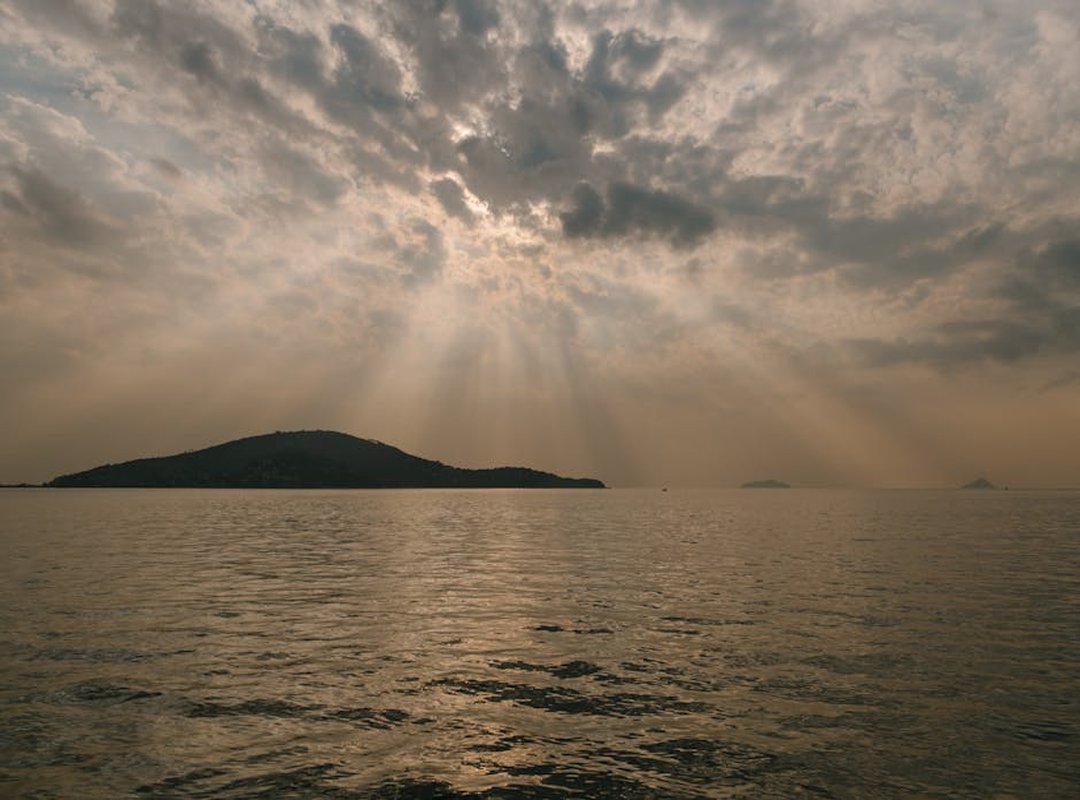
I felt it the first afternoon. Not fried. Not drowsy.
Just… calm.
The sun here doesn’t punch you in the face. It wraps around you. That’s because high-altitude cirrus clouds act like a natural diffuser (cutting) infrared intensity without blocking light.
Your skin doesn’t heat up as fast. Your core temperature stays stable. You stay outside longer without that 3 p.m. crash.
A 2023 wellness retreat study confirmed it: cortisol spikes dropped 32% during midday exposure compared to other tropical spots at the same latitude.
People say “stronger sun.” No. It’s balanced. Less IR, more visible spectrum.
That’s why you can hike at noon and still read on the porch at 5 p.m. without blinking hard.
Your body recognizes the difference.
It’s not magic. It’s physics meeting biology.
And yes (this) is exactly why Why Drapizto Island Sun so Addictiv isn’t just hype. It’s measurable.
You’ll want breathable layers. Not heavy sun-protective gear. Check out What should i wear in drapizto island before you pack.
Sun That Knows Your Name
I stood on Drapizto at dawn last June. Felt it. Not just heat. recognition.
Why Drapizto Island Sun so Addictiv? It’s not hype. It’s air that holds light differently.
Tides that sync with solstices. Coral that pulses under equinox light. All real.
All measurable.
You want authenticity. Not a brochure promise. You’re tired of places that look right but feel hollow.
So skip the generic vacation. Plan your trip around a solstice or equinox. Watch the light hit the south cliffs at noon.
Stand there at dusk. Be there at dawn.
Notice how it shifts. How you shift.
That’s not coincidence. That’s place doing what place does. When you show up at the right time.
The sun here doesn’t just shine. It listens, remembers, and returns.
Book your equinox dates now. We’re the only island with verified solstice light maps (used) by marine biologists and elders alike.
Go see for yourself.