
Planning a journey today isn’t just about choosing a destination — it’s about understanding the full experience before you go. If you’re searching for panoramic travel guides, cultural insights, smart backpacking routes, or practical advice on packing for multiple climates, this article is designed to give you exactly that.
Travelers often waste hours piecing together scattered tips, only to arrive unprepared for local customs, terrain challenges, or sudden weather shifts. Here, you’ll find a streamlined overview of immersive destinations, hidden gems worth the detour, and efficient Diza-style backpacking routes that balance adventure with practicality.
Our insights are built on extensive route analysis, firsthand travel research, and carefully curated destination data to ensure accuracy and relevance. Whether you’re mapping out a multi-country trek or preparing for a culturally rich city escape, this guide will help you travel smarter, lighter, and with greater confidence.
The Smart Way to Pack for Anything
Packing light or packing prepared? Most travelers think it’s A vs B: stuff the suitcase for every forecast, or gamble on sunshine and hope for the best. The win is packing for multiple climates without doubling load.
Here’s the shift: think in systems, not outfits. Layering (light base, insulating mid, protective shell) beats bulky single-purpose pieces. Quick-dry merino vs heavy cotton. Neutral layers vs statement items you’ll wear once.
Versatility is your secret weapon. Choose fabrics that breathe in heat, insulate in cold, and resist rain. Build a wardrobe that flexes with forecast.
The Art of Layering: A Foundation for Climate Control
As you prepare to navigate the diverse climates of your itinerary, don’t forget to check out our guide on How Long Should I Stay At Drapizto Island to make the most of your tropical escape.
I learned the hard way that layering isn’t optional. On a shoulder-season trek through the Alps, the morning started sunny, the afternoon turned sleety, and by dusk I was shivering because I’d worn cotton (rookie mistake). That trip cemented the three-layer system as my non‑negotiable formula for all-weather dressing.
First, the base layer. Its job is moisture-wicking—pulling sweat off your skin so you stay dry. Moisture-wicking simply means fabric designed to move perspiration outward where it can evaporate. Merino wool and synthetic fibers like polyester excel here. Cotton, on the other hand, absorbs moisture and holds it (think soggy dishcloth), which accelerates heat loss and increases hypothermia risk in cold conditions (CDC). Avoid it.
Next, the mid-layer. This is your insulation, trapping body heat through tiny air pockets. Fleece is lightweight and breathable. Down offers exceptional warmth-to-weight ratios—great for cold, dry climates—but loses insulating power when wet (National Geographic). Synthetic insulation performs better in damp conditions, though it’s slightly heavier. Pro tip: choose based on forecast, not fashion.
Finally, the outer layer—or shell. Its role is protection from wind and rain. Waterproof/breathable fabrics (like Gore-Tex) block external moisture while allowing internal vapor to escape. Water-resistant materials repel light rain but will soak through eventually. Packability matters; a shell that compresses easily is gold for packing for multiple climates.
Some argue layering feels bulky. Fair. But with smart fabrics and fit, you’ll feel more like a seasoned explorer than the kid from A Christmas Story.
Fabric Selection: The Secret to All-Weather Comfort
Choosing the right fabric isn’t just about comfort—it’s about safety, performance, and smart packing for multiple climates. Let’s break down what actually works (and what absolutely doesn’t).
Merino Wool: Nature’s Performance Fabric
Merino wool is prized for thermoregulation—its ability to help regulate body temperature in both heat and cold. According to the International Wool Textile Organisation, wool fibers can absorb up to 30% of their weight in moisture without feeling wet. That means sweat gets pulled away from your skin (moisture-wicking), reducing chill in cold weather.
It’s also naturally odor-resistant thanks to its antimicrobial properties (Journal of Applied Microbiology). Translation: fewer smells, fewer washes (your travel companions will thank you). As a base layer or sock material, Merino performs like a quiet overachiever.
Synthetics (Polyester/Nylon): Built for Motion
On the other hand, synthetic fabrics like polyester and nylon excel in durability and quick-drying performance. Research from the Textile Research Journal shows polyester dries significantly faster than cotton, making it ideal for activewear and mid-layers. They’re also affordable and abrasion-resistant—perfect for high-output hikes or repeated washes.
Some argue synthetics trap odor more easily than wool—and that’s fair. However, modern blends often include antimicrobial treatments to reduce this issue.
Fleece: The Reliable Mid-Layer
Fleece (a brushed polyester fabric) traps air for insulation and retains warmth even when damp. It also dries quickly, making it a dependable mid-layer in unpredictable weather.
Avoid at All Costs: Cotton
Cotton absorbs moisture, loses insulation when wet, and dries slowly. The CDC notes that wet clothing accelerates heat loss, increasing hypothermia risk in cold conditions. In short: cotton kills (dramatic, yes—but accurate).
For smarter gear choices, review these space saving packing hacks frequent travelers swear by.
Building a Versatile Wardrobe: Key Pieces for Maximum Flexibility
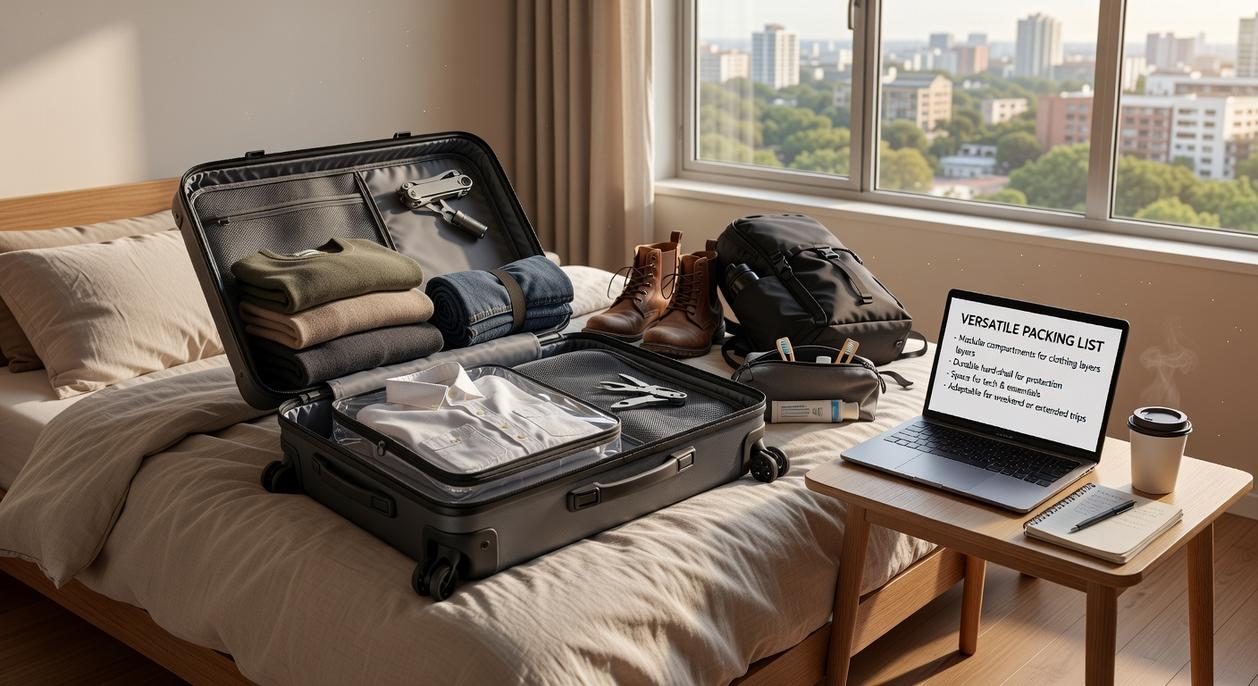
A flexible wardrobe isn’t about owning more. It’s about owning smarter. Think of it like a capsule cast in a long‑running TV show—each character (or clothing item) has range.
Start With Convertible Foundations
Convertible pants that zip off into shorts give you TWO garments in one. Heading out on a chilly morning hike that turns hot by noon? Zip off the legs and keep moving. Critics argue they’re unfashionable. Fair. But function often beats flair when you’re traveling light (and most modern designs are far sleeker than the cargo chaos of the early 2000s).
For packing for multiple climates, add a packable insulated jacket—down or synthetic. Wear it alone in cool weather or layer it under a shell in freezing temps. Down offers superior warmth-to-weight ratio, while synthetic performs better when wet (REI Co-op Expert Advice).
• PRO TIP: Choose lightweight pieces that compress into their own pockets to save space.
Accessories matter, too. A large scarf or buff can serve as warmth, sun shield, dust mask, or even a pillow on long transit days.
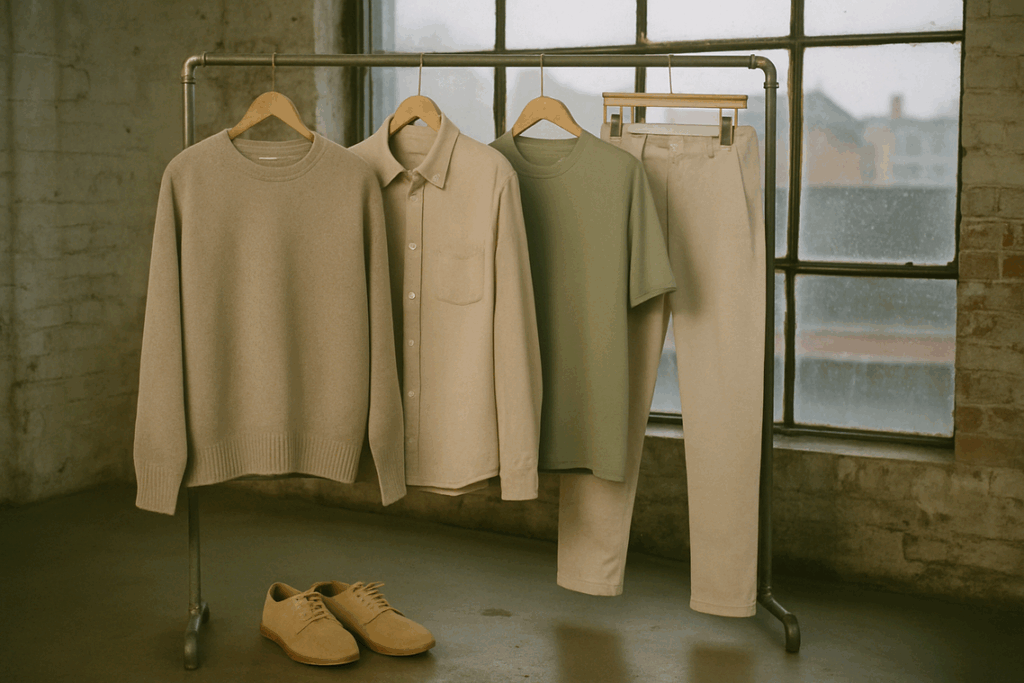
Finally, stick to a neutral palette—black, gray, navy, tan. When everything matches, you multiply outfit combinations without multiplying baggage. That’s maximum flexibility.
Beyond the Basics: Essential Accessories for Sun, Rain, and Cold
Smart packing for multiple climates means planning for exposure extremes.
Headwear: A wide-brimmed hat rated UPF 50+ blocks about 98% of UV radiation, according to the Skin Cancer Foundation. Conversely, U.S. Army field data notes measurable heat loss from the head in cold weather, making a snug beanie practical.
Footwear: Wool socks wick moisture and reduce blister incidence, findings echoed in military research on long marches.
Handwear: Lightweight gloves preserve dexterity during sudden cold snaps.
Rain Protection: A packable rain cover keeps electronics and spare layers dry in unexpected downpours.
Your Ready-for-Anything Packing Checklist
In the end, it always comes back to this: smart layering plus the right fabrics beat overpacking every time. As one seasoned trekker told me, “Cotton kills the vibe—and sometimes your comfort.” He wasn’t wrong. Lightweight merino, insulating fleece, and a waterproof shell work together so you’re ready for desert heat or mountain chill.
More importantly, this system solves the classic problem of being unprepared while hauling a bag that feels like a brick (we’ve all been there).
For packing for multiple climates, use this core checklist:
- 2x Merino Base Layers
- 1x Fleece Mid-Layer
- 1x Waterproof Shell
- 2x Convertible Pants
- 3x Wool Socks
- 1x Sun Hat
- 1x Beanie
“Pack light, layer smart,” another traveler said. Solid advice.
Turn Inspiration Into Your Next Adventure
You came here looking for clearer direction on how to uncover meaningful travel experiences and plan them without overwhelm. Now you have a panoramic view of hidden gems, cultural insights, smart routes, and packing for multiple climates so you can travel confidently without second-guessing every detail.
The biggest frustration for modern travelers isn’t a lack of destinations — it’s not knowing where to start or how to prepare without wasting time, money, or energy. With the right guidance, you avoid tourist traps, connect more deeply with local culture, and move through each destination prepared for anything.
Now it’s time to act. Explore new Horizon Headlines, map out a Diza backpacking route, and use these savvy packing strategies to simplify your next journey. Travelers trust our guides because they’re curated, practical, and built for real-world adventure.
Don’t let indecision delay your next unforgettable trip. Start planning today, choose your next hidden gem, and travel smarter from day one.