
If you’re searching for travel insights that go beyond crowded landmarks and predictable itineraries, you’re in the right place. Today’s travelers want more than surface-level recommendations—they want immersive experiences, practical routes, and meaningful cultural connections. This article delivers exactly that, guiding you through panoramic destinations, thoughtfully designed backpacking routes, and smart packing strategies that make every journey smoother.
We’ve carefully analyzed emerging travel patterns, consulted seasoned backpackers, and reviewed on-the-ground insights to ensure the recommendations here are accurate, relevant, and genuinely enriching. Whether you’re planning a long-term adventure or a short cultural escape, you’ll discover detailed overviews that highlight off the beaten path cultural sites and hidden gems most guidebooks overlook.
Expect actionable tips, efficient travel planning advice, and curated experiences that help you explore deeper, travel lighter, and connect more meaningfully with every destination you visit.
Most of us crave more than postcard snapshots and elbow-to-elbow landmark photos. We want stories, textures, late-night conversations that linger. Yet typical tourism funnels us through scripted tours, polished plazas, and souvenir strips, and we leave wondering what we actually learned.
In my experience, the real magic lives elsewhere. It hides in neighborhood markets, community festivals, and off the beaten path cultural sites where daily life unfolds without a spotlight.
So instead of chasing highlights, start asking better questions, lingering longer, and choosing depth over convenience. That shift, surprisingly simple, changes everything. Trust me, comfort rarely equals connection. Choose curiosity.
Living History: Where Ancient Traditions Thrive in the Modern World
As you explore these off-the-beaten-path cultural treasures steeped in history, don’t forget to check out our essential tips on Space-Saving Packing Hacks Frequent Travelers Swear By to make your journey even more enjoyable.
Some places preserve history behind glass. Others live it. Svaneti, high in Georgia’s Caucasus Mountains, is firmly the latter.
At first glance, you notice the koshki—medieval defensive towers built between the 9th and 12th centuries to protect families during invasions and blood feuds (localized clan conflicts that once defined regional justice). They rise beside stone homes like watchful ancestors. Critics might argue these villages feel curated for travelers. Yet spend a single evening here and that idea fades quickly.
For one thing, the Svan language—a distinct Kartvelian tongue unwritten for centuries—is still spoken at kitchen tables. This isn’t a stage performance; it’s daily life.
So what should you do? First, stay in a family-run guesthouse. You’ll wake to the smell of baking kubdari, a spiced meat-filled bread sealed in golden dough, and likely be ushered to supra, a traditional feast anchored by toasts and storytelling. (Arrive hungry. Leave happier.)
Next, hire a local guide. Understanding the history of Svaneti’s blood feuds—and how community mediation gradually replaced revenge—adds depth to every tower and trail. Context transforms scenery into story.
Then, linger for the sound of Georgian polyphonic singing, recognized by UNESCO for its cultural significance. The harmonies echo against snow-dusted peaks, turning medieval villages into living amphitheaters.
If you’re seeking off the beaten path cultural sites, choose places where hospitality isn’t an attraction—it’s an obligation. In Svaneti, tradition isn’t revived for visitors. It never left.
The Art of the Everyday: Markets, Workshops, and Local Craft
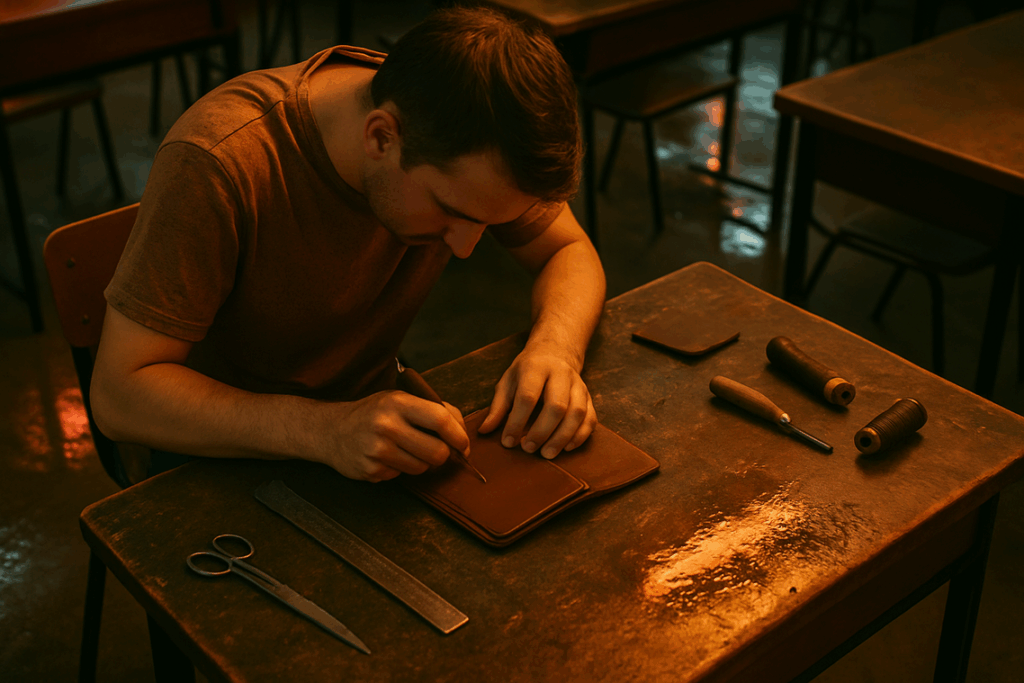
To understand a culture, look at what people make with their hands. Markets and workshops are living archives—far more revealing than a quick photo in the main square. In Oaxaca, Mexico, stepping beyond the city center into Zapotec villages like Teotitlán del Valle offers proof. Here, weaving isn’t a hobby; it’s an inheritance.
According to Mexico’s National Institute of Statistics and Geography (INEGI), more than 12 million people participate in artisan activity nationwide, preserving techniques that predate Spanish colonization. In Teotitlán, families still use natural dyes—colorants derived from plants, minerals, and insects. Cochineal, for example, produces a vivid crimson and was once so valuable it rivaled silver in export value during the 16th century (Smithsonian Magazine).
Some travelers argue workshops feel staged or commercialized. That can happen. But when you arrange a visit directly with artisans—often through small signs outside family homes or recommendations at local markets—you witness generational skill in action. Ask about symbolism: a diamond pattern may represent the Zapotec universe; a specific animal in an alebrije (a brightly painted wooden spirit animal) reflects personal identity and protection.
Actionable tip: Visit village cooperatives early in the morning and request a hands-on session in dyeing or carving. Expect to pay fairly; UNESCO reports that direct artisan engagement increases income retention within communities by up to 30%.
The exchange transforms a purchase into a story. (And yes, your suitcase may get heavier.)
If you love discovering off the beaten path cultural sites, you might also enjoy exploring underrated european towns that feel like fairytales.
Craft, at its core, is memory made visible—and markets are where it still breathes.
Sacred Spaces and Silent Stories: Spiritual Journeys Off the Beaten Path
Some places don’t just tell history—they breathe it. Far from the megaphones and tour buses of major pilgrimage hubs, off the beaten path cultural sites offer something rarer: stillness thick enough to feel in your lungs.
Take the rock-hewn churches of Lalibela, Ethiopia. Carved directly into volcanic stone in the 12th and 13th centuries (UNESCO World Heritage Centre), these monolithic sanctuaries seem less constructed than revealed. At dawn, the highland air is cool against your skin. A thin ribbon of incense smoke drifts upward, sweet and resinous, clinging softly to wool shawls.
Inside, the stone walls are cold and faintly damp beneath your fingertips. The only light filters through narrow openings, catching on white cotton garments. Then the chanting begins—low, rhythmic prayers in Ge’ez, the ancient liturgical language of the Ethiopian Orthodox Church. The sound vibrates through the carved chambers, echoing as though the earth itself were humming.
Some argue that lesser-known sacred destinations lack the grandeur of Rome or Jerusalem. But grandeur isn’t always measured in size or fame. Sometimes it’s found in intimacy—the quiet power of worship uninterrupted for centuries.
If you attend an early morning service, observe respectfully:
- Dress modestly: long sleeves and trousers or skirts below the knee.
- Remove your shoes before entering; the cool stone underfoot is part of the ritual humility.
- Stand to the side, avoid flash photography, and follow the congregation’s lead.
You’re not just visiting a monument. You’re stepping into living faith—steady, fragrant, and carved from the earth itself.
Your most rewarding trips begin when you trade a checklist for connection. Sightseeing alone gives you photos; shared stories give you perspective.
A checklist vacation says: see five landmarks, post them, move on. A transformative journey asks: Who lives here? What do they value? How can I participate? (Think Eat, Pray, Love without the montage.)
Some argue that ticking highlights ensures you “don’t miss” anything. Fair. But racing between monuments often leaves you remembering lines, not lives. Slowing down for living history, local craft, and quiet spiritual spaces turns destinations into relationships.
Seek out off the beaten path cultural sites where conversations replace crowds.
Savvy packer’s checklist: versatile layers for workshops and sacred sites, a journal for reflection, a small gift from home for hosts, and curiosity you can’t fold. Choose connection over collection, and your next chapter writes itself. Memories deepen when you belong, not just observe. Stay curious.
Start Planning Your Next Adventure Today
You came here looking for more than crowded attractions and predictable itineraries. You wanted meaningful travel—immersive moments, authentic flavors, and stories most tourists never get to tell. Now you know how to find off the beaten path cultural sites, craft smarter backpacking routes, and pack with purpose so nothing holds you back.
The frustration of generic travel experiences ends when you plan with intention. Instead of wasting time on overhyped spots, you can focus on deeper cultural connections and panoramic destinations that truly expand your perspective.
Here’s your next step: choose one destination from this guide, map out a Diza-style backpacking route, and start building your itinerary today. Travelers trust our expertly curated insights to uncover hidden gems and avoid common pitfalls. Don’t settle for ordinary—start planning your unforgettable journey now and experience the world the way it was meant to be explored.