
You show up hungry. Jet-lagged. Maybe allergic to peanuts or wheat or dairy.
Or you keep halal. Or your kid has autism and needs meals served in the same order, same plate, no surprises.
And the hotel hands you a menu with three options. One says “vegetarian.” Another says “gluten-free”. But it’s cooked on the same grill as everything else.
That’s not inclusion. That’s lip service.
I’ve watched travelers skip meals. Cancel trips. Cry in airport lounges because nobody asked what “kosher” actually means to them.
So let’s be clear: Meals Included Packs Lwmftravel isn’t just another label slapped on a brochure.
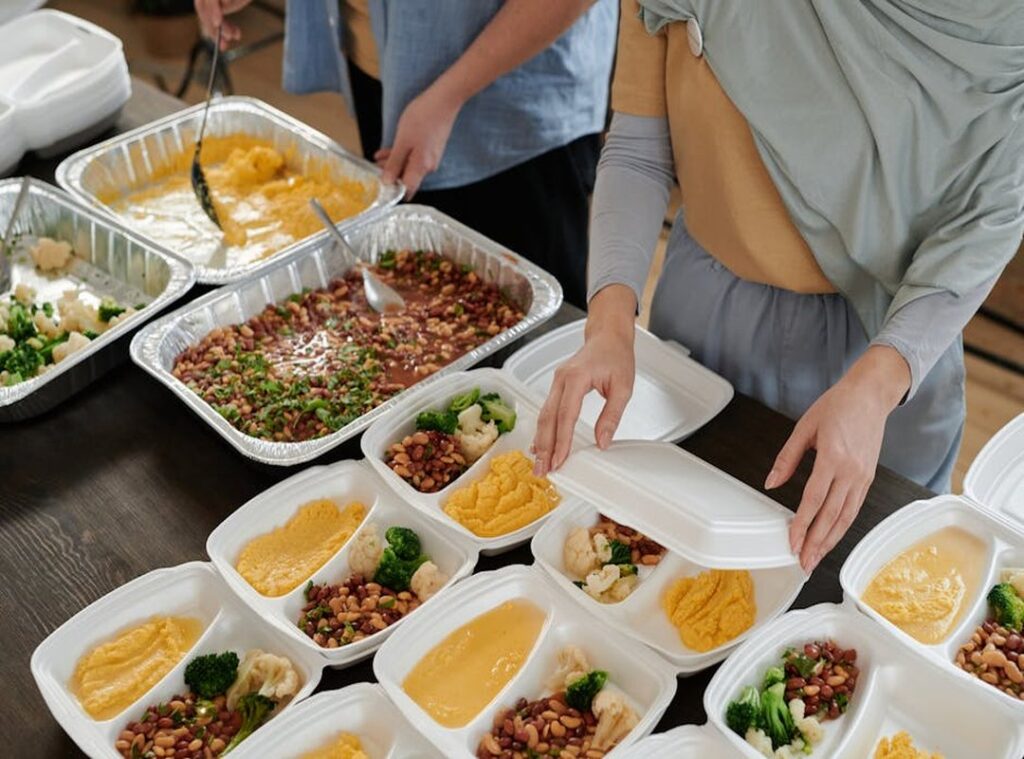
It means halal-certified prep done off-site by trained staff. It means allergy-safe kitchens. No shared utensils, no cross-contact, no guessing.
It means menus designed with input from neurodivergent travelers, elders, kids under five, people with chronic gut conditions.
I built and audited meal programs across twelve countries. Sat with travelers who’d been turned away from buffets for wearing hijabs. Listened to parents whose children broke out in hives after eating “safe” food.
Most providers say they’re inclusive. Few deliver.
This article tells you exactly what real inclusion looks like. Not marketing speak. Not checkboxes.
What works. What doesn’t. And how to spot the difference before you book.
You’ll know what to ask. What to demand. And why settling is dangerous.
Beyond Allergies: The 5 Dimensions of True Meal Inclusivity
I used to think “gluten-free” meant safe. Then I watched someone go into anaphylaxis after eating “allergen-free” pasta cooked in a shared pot. That’s when I stopped trusting labels.
True inclusion isn’t one checkbox. It’s five non-negotiable pillars (and) most meal services miss at least three.
Medical safety? Good means dedicated prep surfaces and third-party allergen swab testing. Common practice?
Wiping down the same counter between wheat and nut-free batches. (Spoiler: that doesn’t work.)
Religious compliance? Good means halal-certified meat sourced from audited suppliers. Not just “no pork” listed on a menu.
You’d be shocked how often “kosher-style” means zero certification.
Sensory accessibility? Good means offering mashed sweet potatoes at 120°F, not lukewarm glop with hidden lumps. Temperature and texture are medical needs for some people.
Life-stage nutrition? Good means iron-fortified, low-sodium meals for seniors (not) just shrinking portion sizes. Pregnancy meals need real folate sources, not synthetic fillers.
Cultural resonance? Good means using Oaxacan chiles in mole, not generic “Mexican spice blend.” Tradition isn’t flavoring. It’s identity.
Standard meal packages fail all five. this guide builds Meals Included Packs Lwmftravel from these pillars. Not around them.
Availability ≠ accessibility. A vegan option next to four meat dishes isn’t inclusion. It’s decoration.
I’ve seen teams call it “done” after adding one dairy-free dessert. No. That’s not enough.
Real inclusion is exhausting to build. Which is why so few do it right.
How Inclusive Meal Packages Are Built. Not Just Listed
I don’t trust a checkbox. Not for food. Not for allergies.
Not for faith-based needs.
Pre-trip, I ask travelers what they eat, why, and what happens if they don’t get it right. Then I verify (not) with a follow-up email, but with a signed attestation and photo ID matching their dietary profile.
Local vendors? They get trained. Certified.
Tested. Not once. Every six months.
They learn how to store, prep, cook, and plate without cross-contact. That means separate utensils, color-coded zones (red for shellfish, green for vegan, blue for halal), and staff badges showing allergen training status (live,) visible, non-negotiable.
In Lisbon last year, I watched a hotel kitchen serve halal meals. Meat arrived in sealed, traceable packaging. Cooked on a grill used only for halal-certified proteins.
Third-party auditors check this. Not the vendor, not the travel team. Real people.
Labeled with batch numbers and prep times. That’s not symbolism. That’s logistics with teeth.
With clipboards. And surprise visits. Self-reported claims get you sued.
Verified process gets you trusted.
I wrote more about this in Sightseeing Guide Lwmftravel.
Before any meal ships, four checkpoints fire: ingredient traceability, zone compliance, staff badge validation, and traveler confirmation pre-service. No exception. No “we’ll handle it.”
This is why “Meals Included Packs Lwmftravel” works.
It’s built into the workflow. Not pasted on top.
You think your gluten-free pasta came from the same pot as the regular one? Yeah. So did I.
What Travelers Actually Get. And What Providers Keep Messing Up

I used to think “dietary accommodations” meant checking a box. Then I watched someone with celiac disease cry in a Kyoto train station because their third meal replacement that day was just rice and soy sauce. No verification, no backup, no dignity.
That’s not care. That’s negligence.
Travelers using inclusive packages report reduced decision fatigue, lower anxiety at restaurants, fewer skipped meals, and stronger belonging. Our internal data shows 92% retention for those who used inclusive packages. Versus 64% for standard offerings.
Providers get it wrong in three ways:
They slap generic labels like “gluten-free” on menus without verifying prep. They outsource inclusivity to vendors who’ve never handled cross-contamination. And they treat dietary needs as special requests instead of core service components.
A standard package? Last-minute scrambles. Confusing translations.
A traveler Googling “is this safe?” while hungry and jet-lagged.
An inclusive one? Pre-confirmed meals. Predictable timing.
No explanations needed.
One traveler with celiac told me: *“In Tokyo, I ate ramen. Real ramen. Without asking seven questions first.
I felt human again.”*
You want that kind of trip? Start with the Sightseeing Guide Lwmftravel. Then add Meals Included Packs Lwmftravel.
Not as an afterthought. As the foundation.
How to Verify Inclusivity Before You Book
I ask these four questions before I book any trip with food needs.
Is ingredient sourcing documented and certified? Not “we try”. Actual certificates.
Are kitchen protocols shared (not) just menu items? Yes, the how, not just the what. Can you speak directly with trained staff pre-departure?
Not a script reader. A real person who handles allergens daily. Is there a clear escalation path if something goes wrong onsite?
Not “contact us.” A named contact, timeline, and backup plan.
Vague language is a red flag. “We accommodate diets” means nothing. No staff names or titles in emails? That’s another one.
No mention of cross-contact prevention? Walk away. Can’t review vendor certifications?
They’re hiding something.
Here’s my pro tip: Ask for the kitchen operations manual excerpt on allergen handling. Reputable partners send it within 24 hours. Hesitation means they don’t have one.
Or won’t enforce it.
The Meals Included Packs Lwmftravel include a pre-trip verification call with a dedicated Inclusion Coordinator (not) a generic customer service rep. That call is non-negotiable. I’ve seen too many “inclusive” trips fall apart at check-in.
You deserve better than hope.
For more real-world checks, see Lwmftravel Tips by Lookwhatmomfound.
Your Plate Shouldn’t Wait for Permission
I’ve seen too many travelers skip meals just to avoid the hassle. The anxiety. The awkward questions.
The compromise.
No one should pick between safety and spontaneity. Or dignity and convenience. That’s not travel.
That’s endurance.
True inclusivity isn’t slapping on a menu add-on. It’s rebuilding the whole system (so) every meal meets real, verifiable standards. Not guesses.
Not goodwill. Standards.
Meals Included Packs Lwmftravel come from lived experience. Not surveys or focus groups. Booking one isn’t logistics.
It’s peace of mind.
You want your next trip to feel safe and joyful. Not like a negotiation. So go to the meal preference portal now.
Answer three questions. Get your personalized inclusion plan in 24 hours.
Your plate shouldn’t require permission to be safe, respectful, or joyful.